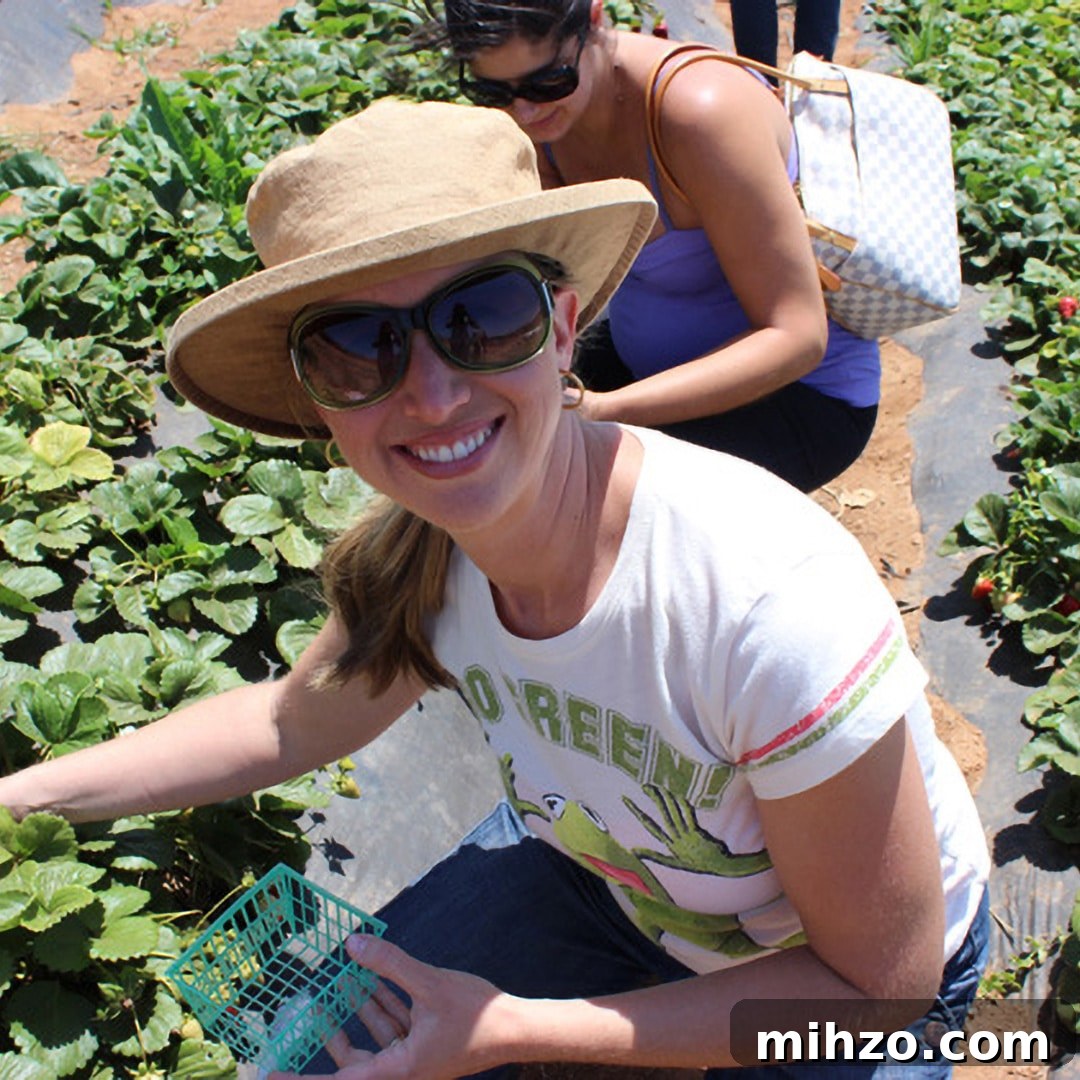
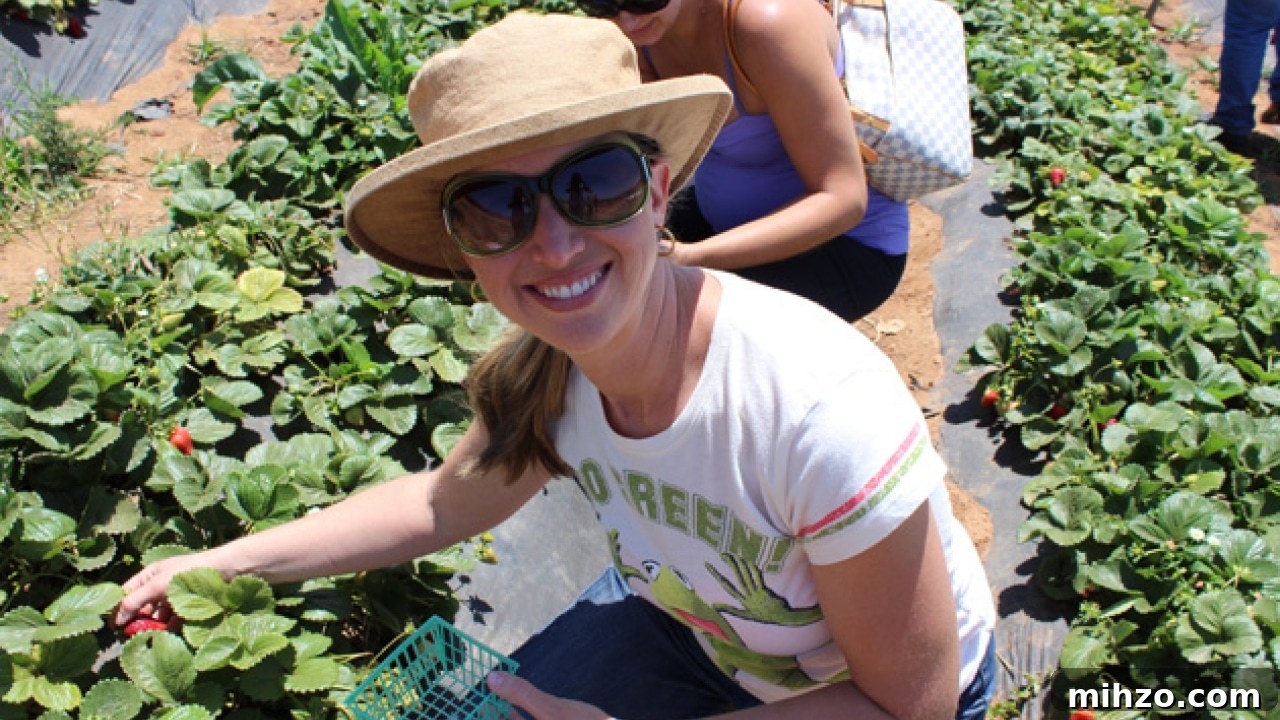
I am a big fan of Community Supported Agriculture (CSA). It aligns with my values, supports my health, and fits my schedule. A CSA connects consumers directly with local farms and ranches: members subscribe or prepay for a share of the farmer’s seasonal harvest or meat supply. I participate in a vegetable CSA and a grass‑fed beef CSA and find both to be rewarding in different ways.
Top Ten Benefits of CSAs:
- I don’t have to decide what to buy each week or month — the seasonal selection arrives for me.
- The food is very fresh, reducing nutrient loss that comes with long transport times.
- Local sourcing typically means a smaller carbon footprint compared with long‑distance shipping.
- Much of the produce is grown organically, though not every CSA is certified organic.
- Overall cost can be lower than shopping at grocery stores or even many farmers’ markets once you consider quality and quantity.
- I know the growers personally and can ask about farming practices directly.
- My membership supports local, sustainable agriculture and helps farms stay viable.
- My family eats more vegetables and a wider variety of produce than before joining.
- Because produce is sold in advance, farmers can plant a broader range of crops and take more risks on interesting varieties.
- It saves time on shopping and meal planning.
Trouble Shooting
I’m familiar with many common criticisms of CSAs — I’ve voiced several myself over the years. Here are the typical concerns and how I handled them.
#1 — I don’t recognize some vegetables or cuts of meat.
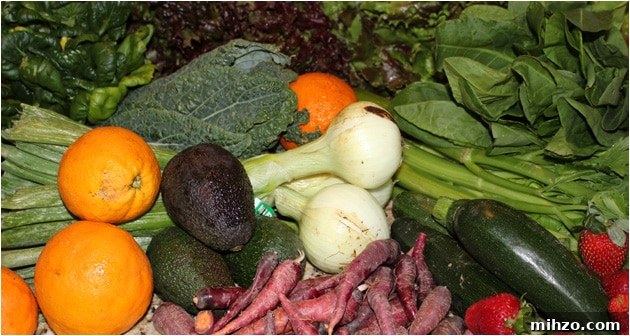
That’s part of the appeal: discovering new flavors and ingredients. You might receive kohlrabi, purple carrots, or skirt steak. Use cookbooks, blogs, or simple experimentation to learn new preparations. Trying unfamiliar foods expands your repertoire and often raises the bar for what you expect from a restaurant meal.
#2 — What should I do with all those leafy greens?
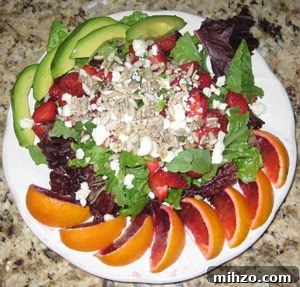
Leafy greens are some of the most nutrient-dense foods you can eat. At first they overwhelmed me too; I even stopped my CSA briefly. Then I learned new recipes and realized my family would eat more than I expected. Kale chips, soups, and green smoothies are easy options. Greens can be sautéed with eggs, added to smoothies, used in salads, or folded into soups and stir‑fries.
#3 — I don’t have a large enough freezer.
Many CSAs provide reasonably sized portions, especially for meat shares, that fit in a standard freezer. You typically don’t need a deep freeze unless you buy extra on top of your regular share.
#4 — We’ll never eat all of it; that means vegetables at every meal.
Yes — and that’s a benefit. Vegetables can appear at breakfast (sautéed greens with eggs, smoothies), snacks (carrot sticks with hummus), lunch (salads or bowls), and dinner (stir‑fries, roasted medleys). Incorporating more vegetables often replaces less nutritious options and improves overall diet quality.
#5 — I’m not vegetarian and I don’t usually eat beef.
I once avoided beef as well, but grass‑fed beef is nutritionally different from conventional beef. It typically has a healthier fatty‑acid profile — more omega‑3s and less total fat — and can be a lean, nutrient‑rich protein option that many people find easier to include in a balanced diet.
#6 — I want control over what’s in my box.
CSAs encourage seasonal eating and variety, which means you won’t get the same familiar items year‑round. That’s intentional: a varied diet delivers broader nutritional benefits. Expecting out‑of‑season items often relies on heavy inputs or long supply chains. CSAs invite you to accept what the farm produces each week and to enjoy seasonal rhythms rather than demand year‑round uniformity.
Part of participating in a CSA is the mindset shift: you get what the season offers and you benefit from its variety, freshness, and connection to the people who grew it.
I’m fortunate to work with two local CSAs I trust. I know the farmers: one who grows vegetables and another who raises grass‑fed beef. Visiting the farm and talking to the rancher made me appreciate the food even more and understand the work behind it. If you can, meet your producers — it deepens the connection to your food and often makes meals more meaningful.
CSAs are widespread across the country, though availability and season length vary by region. Some run only during warmer months, and some specialize in particular crops or sizes of shares, so check details before signing up. If you receive something unfamiliar in your box, ask your farmer or other CSA members for preparation ideas — communities around CSAs are usually happy to share tips and recipes.
Further reading
- Castile Soap Spray for Garden Pests
- “Regenerative Merges” 3 Key Certifications
- Gardening Regeneratively at Home
- Grow Something