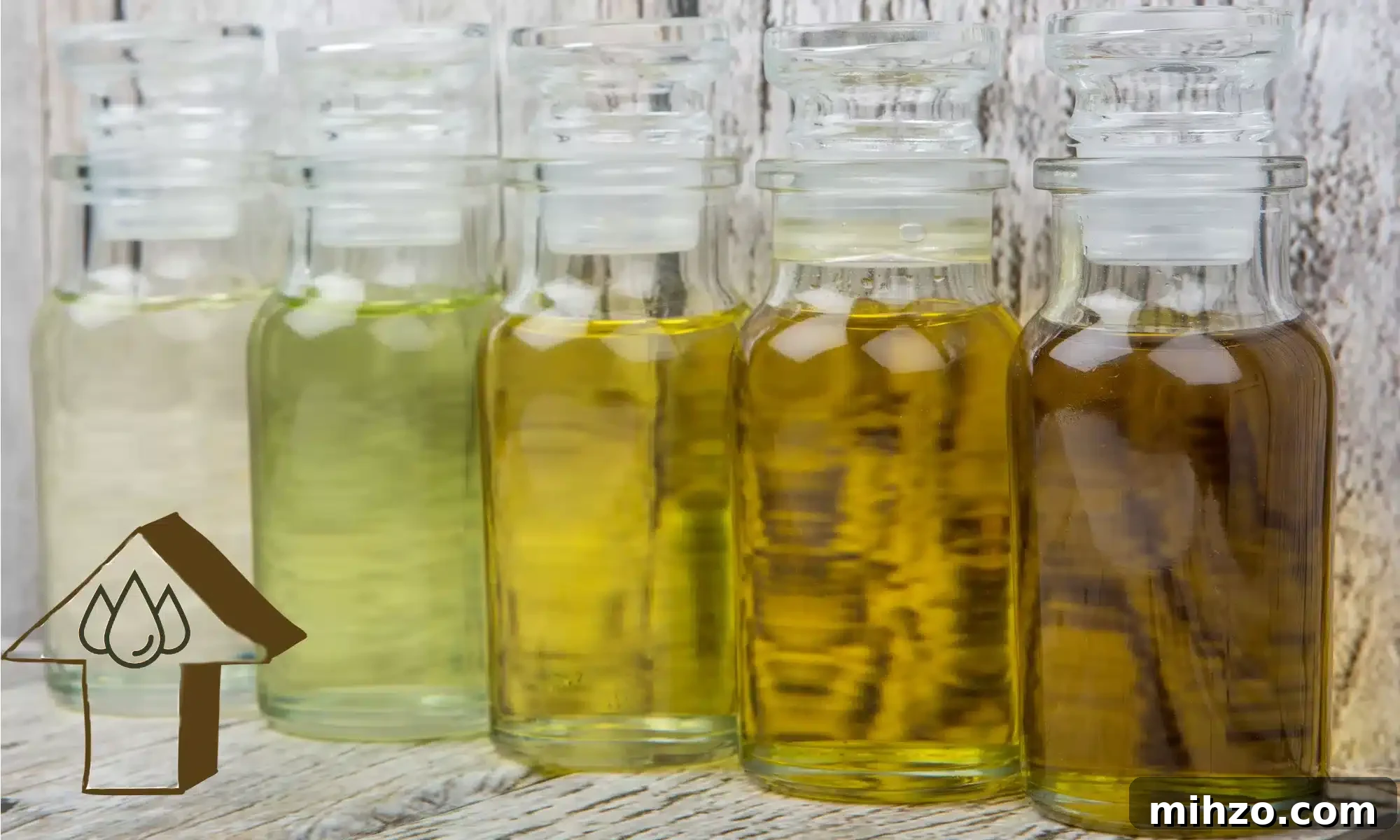
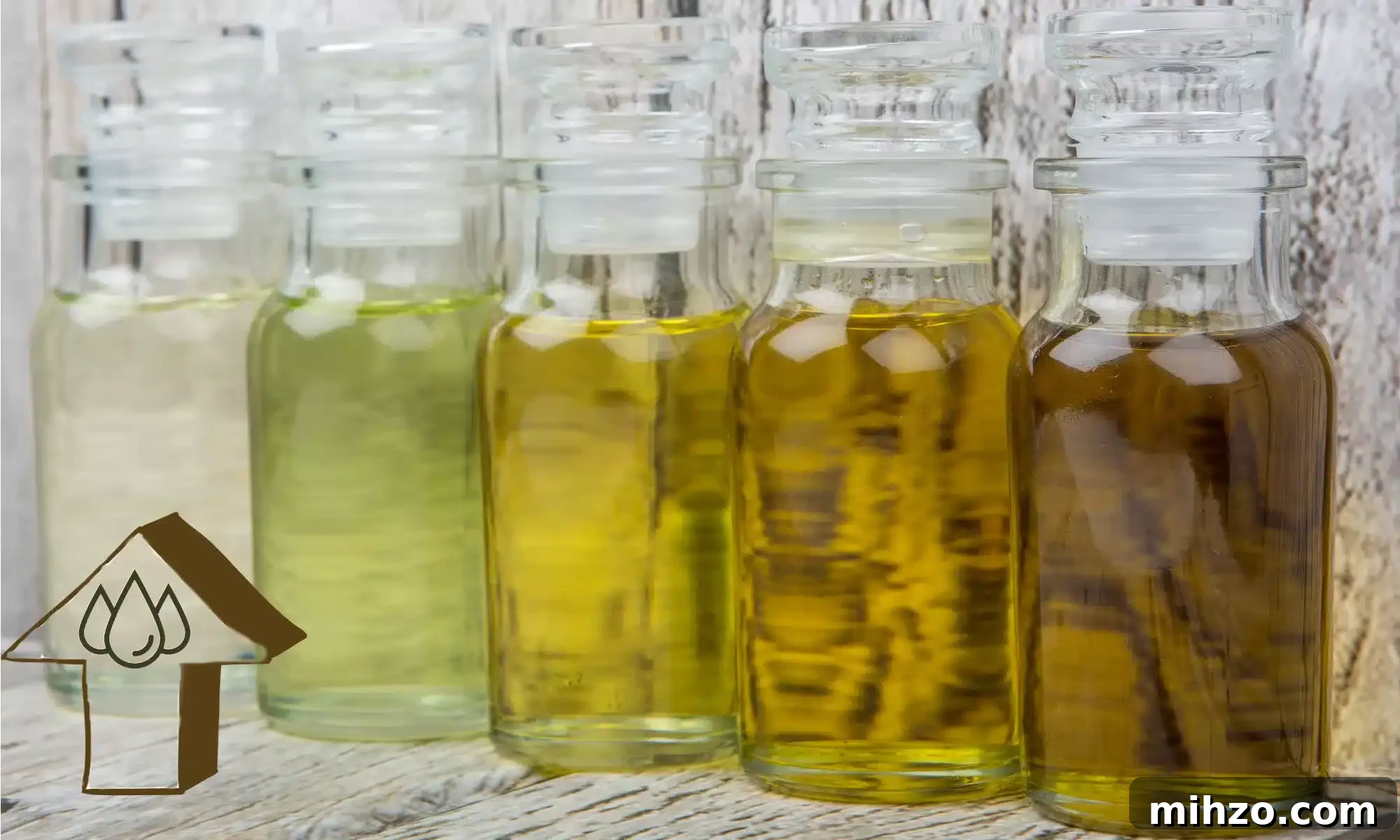
All cooking oils are nearly 100% fat, but are some significantly higher in fat than others? Measured by tablespoon, there are small differences. For example, cashew oil has about 15 grams of fat per tablespoon, butter about 14.2 grams, and many common oils roughly 14 grams per tablespoon. With differences often of one gram or less, these variations are minimal and generally not worth major concern when selecting an oil.
It’s Not Fat That Matters. It’s Quality.
Fats and oils are typically classified into four main types based on their chemical structure: monounsaturated, polyunsaturated, saturated, and trans fats. Labels often list the predominant type of fat, though small amounts of other fats may be present. The type of fat and the processing methods used to produce an oil tend to matter more for health than small differences in total fat per tablespoon.
Polyunsaturated Fats
Polyunsaturated fats include essential fatty acids that the body cannot make, so they must come from food. They play roles in lowering LDL cholesterol, supporting hormone synthesis, building cell membranes, and helping blood clot properly. Sources include fatty fish and certain plant oils. While polyunsaturated fats are beneficial, getting them from whole-food sources like fatty fish is generally preferable to relying solely on refined cooking oils.
Monounsaturated Fats
Monounsaturated fats are considered heart-healthy. They can help lower LDL (bad) cholesterol, reduce inflammation, and lower cardiovascular risk when they replace saturated fats in the diet. Common sources are olive oil, avocados, and many nuts and seeds. Choosing oils rich in monounsaturated fats, especially extra virgin olive oil, can be a sensible part of a balanced eating pattern.
Saturated Fats
Saturated fats are found in both animal and some plant products and are characterized by a high proportion of hydrogen atoms on their carbon chains. Examples include butter, lard, beef tallow, and coconut oil. Excessive intake of saturated fat can raise blood cholesterol for some people, but these fats can still be included in moderation within a varied, balanced diet.
Trans Fats
Trans fats are typically formed when hydrogen is added to unsaturated fats to create a more solid texture. They can be present in some margarines and shortenings, particularly in partially hydrogenated products. Trans fatty acids are associated with adverse effects on cholesterol and cardiovascular health and are best avoided or minimized.
Is There a Connection Between Weight Loss and Cooking Oils?
Some research has explored whether certain oils influence weight management, but evidence is limited and mixed. Selecting oils rich in antioxidants and beneficial fats—such as extra virgin olive oil—is often a healthy choice, as these oils can support overall well-being. When overall health improves, people frequently have more energy and motivation to be active and make healthier food choices.
Flaxseed oil offers notable plant-based omega-3s and contains a high amount of alpha-linolenic acid (ALA); in fact, it is among the richest culinary oils in omega-3s by tablespoon. However, flaxseed oil is fragile and not suitable for high-heat cooking because its ALA content oxidizes easily. Whole or ground flaxseed can be a better way to capture its benefits in many recipes.
Consuming flaxseed in various forms has been linked with increased feelings of fullness and, in some studies, reduced calorie intake. Some research also suggests that whole flaxseed can help improve glycemic control, which may support weight management by helping to stabilize blood sugar and insulin levels.
FAQs
There’s no universal answer. Many benefits attributed to olive oil come from its role within the Mediterranean diet, a dietary pattern associated with good health. Drinking olive oil alone, without addressing overall diet and lifestyle, is unlikely to produce sustained weight loss. Replacing large amounts of saturated fat with olive oil, however, can be a healthier swap.
It depends on the oil and the amount consumed. Some oils provide beneficial nutrients and healthy fats, while others are heavily processed or high in less-desirable fats. As with most foods, moderation and context within an overall balanced diet matter most.
Yes—like all culinary oils, olive oil is almost entirely fat. The distinction between oils lies in the types of fats they contain, not their total fat content.
Oils are concentrated extracts of fat from plants or animals, so they consist almost entirely of lipids and contain negligible amounts of protein or carbohydrates. That concentrated form is why their fat content is high.