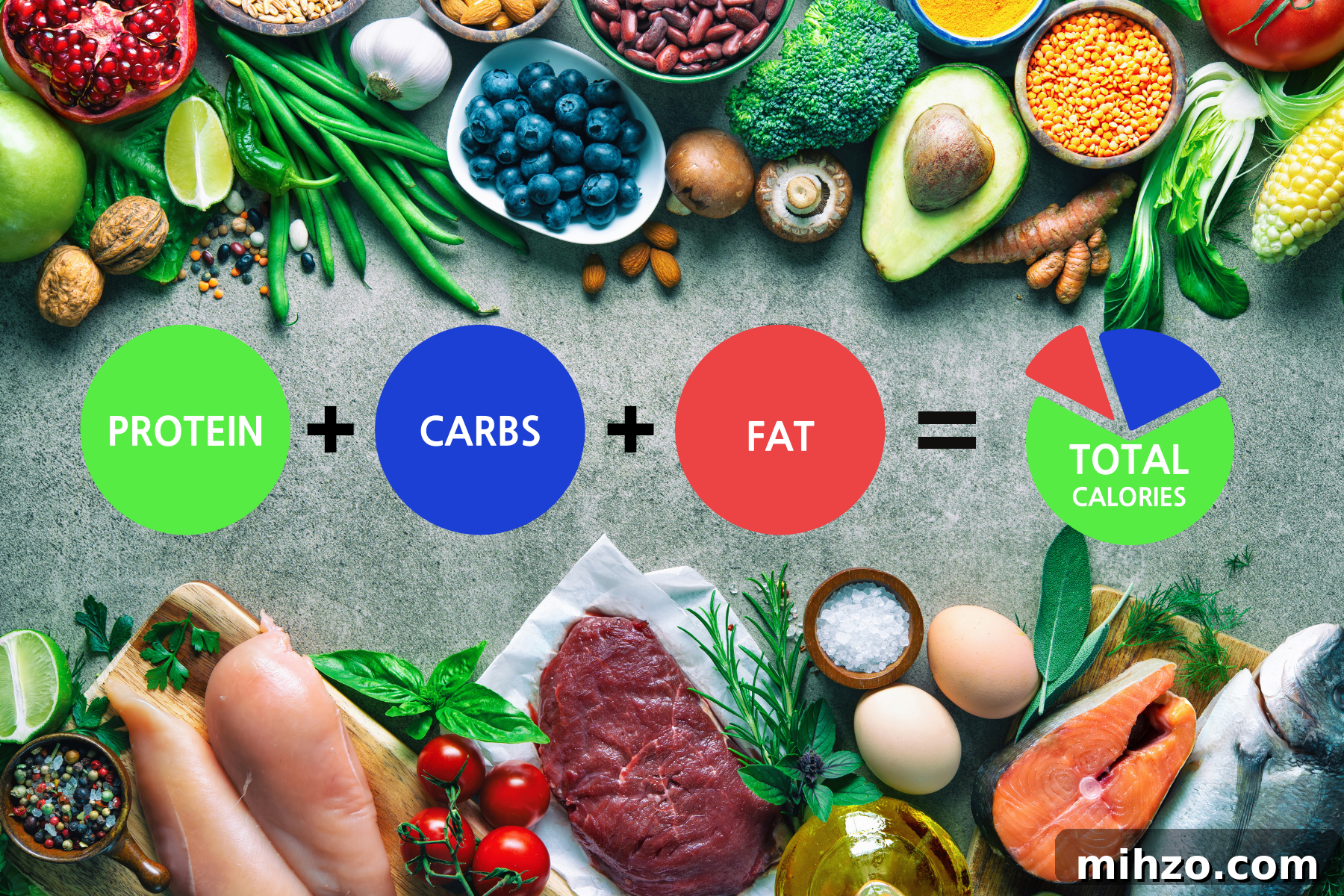
In the hierarchy of nutrition priorities, calories are king. If you want more on that concept, see the original explanation. If calories are king, why count macros?
If you’re new to counting macros, start with an introductory guide to macro counting to learn the basics.
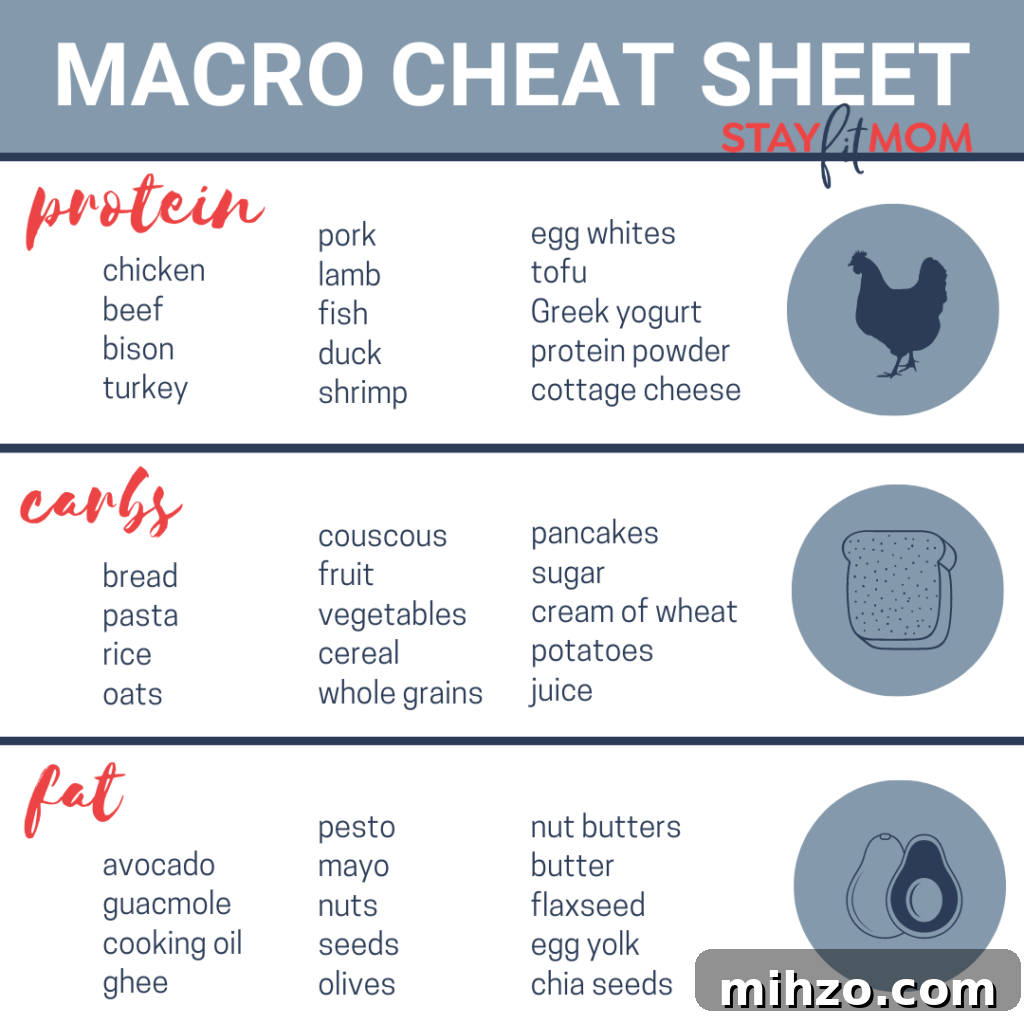
WHY EACH MACRONUTRIENT MATTERS
- Protein
- Carbohydrates
- Fat
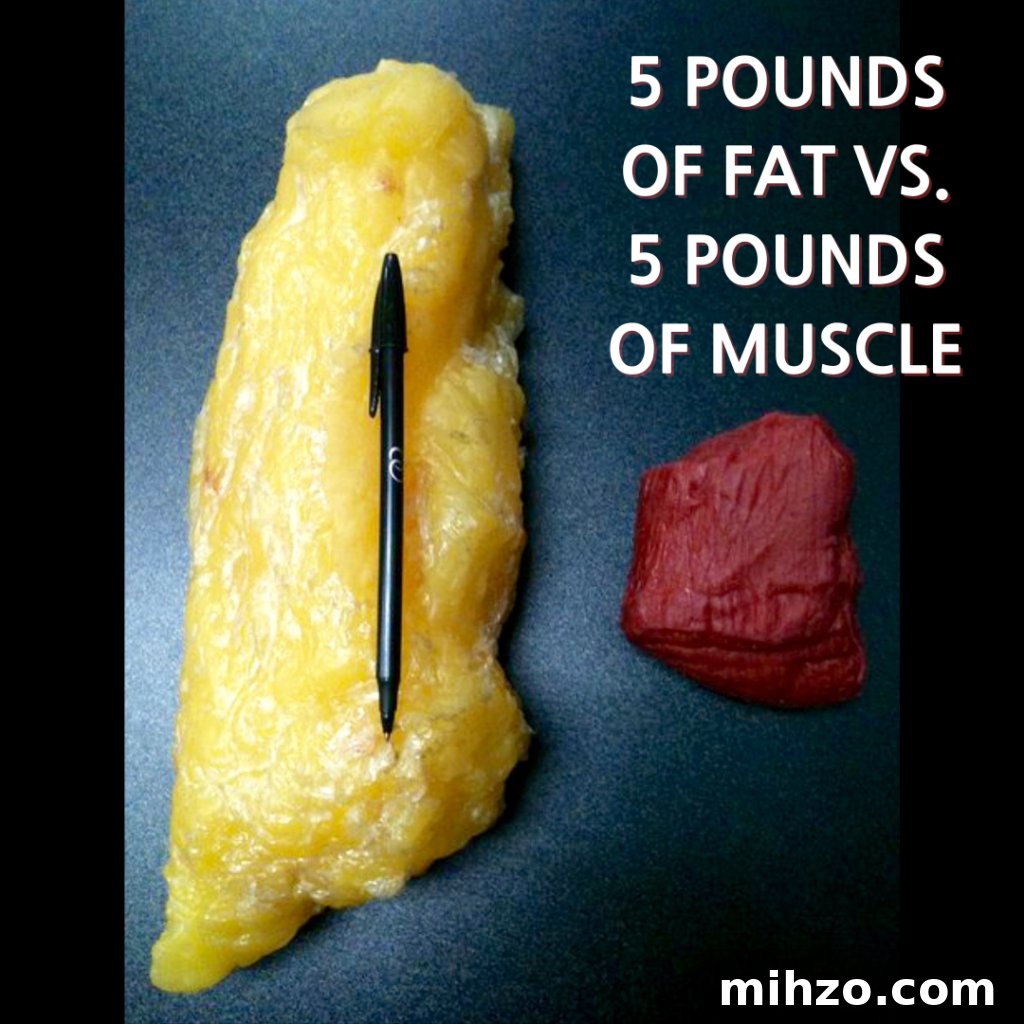
PROTEIN: Protein is essential for protecting and building skeletal muscle. As we age we naturally lose muscle mass, and that loss is directly linked to declines in bone health. Maintaining healthy muscle supports daily function, long-term health, and the energy to keep up with family life. During weight loss, the body tends to metabolize muscle first. Consuming adequate protein helps preserve muscle mass, which protects your metabolism and helps ensure weight loss comes from fat rather than muscle.
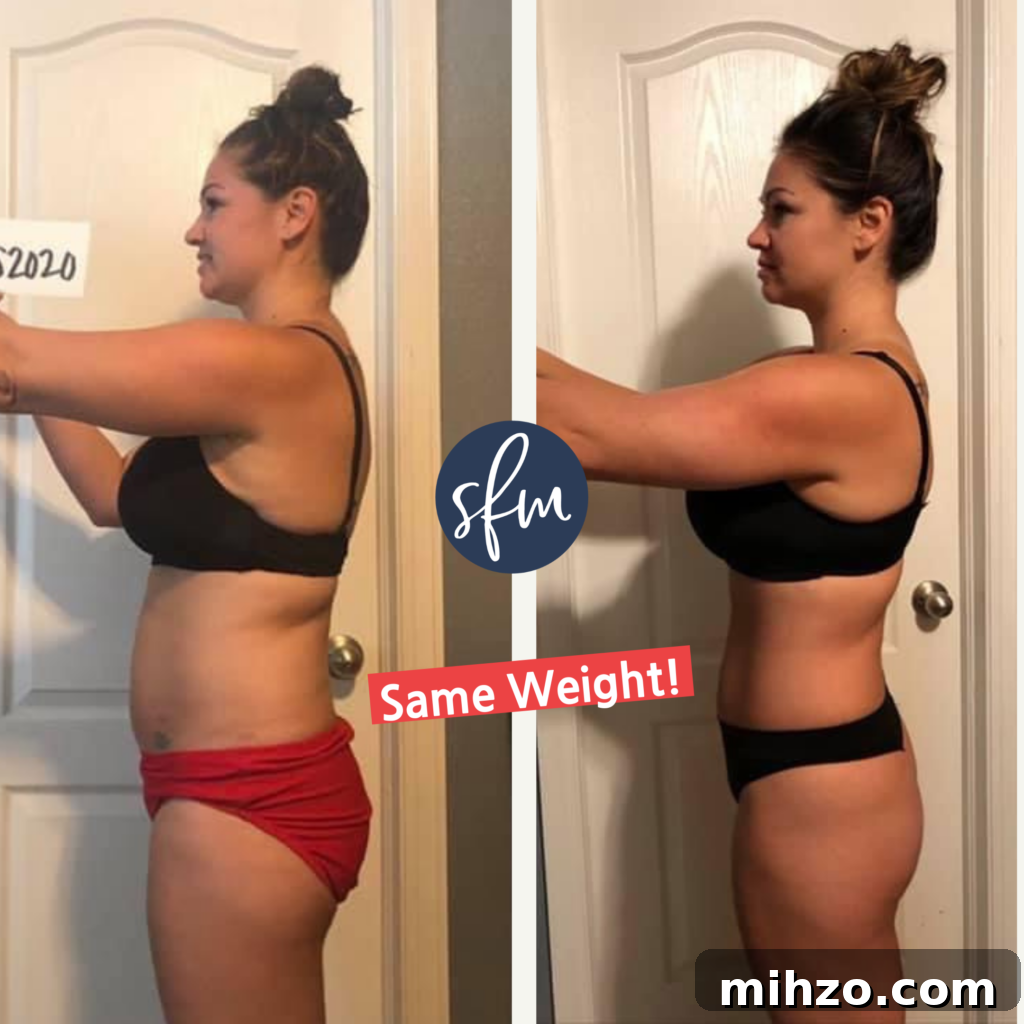
Macro counting emphasizes fat loss over simple weight loss. If you only track calories, you might lose weight quickly but sacrifice muscle in the process. Less muscle means a slower metabolic rate, which can make fat loss much harder in the long run. Many people who repeatedly restrict calories and focus on high-volume cardio end up with reduced muscle mass and a metabolism that struggles to burn fat—this can make further fat loss nearly impossible. That’s why a proper reverse diet, adequate protein intake, and time for metabolic recovery are often necessary.
Protein also increases satiety. Hitting your protein target makes it less likely you’ll fill up on extra carbs and fats, and it’s a major reason why programs focused on macros deliver dramatic improvements in body composition—changes that are often far more meaningful than what the scale alone shows.
CARBOHYDRATES: Carbohydrates are our primary source of energy and are not the enemy. They are vital for workout performance, recovery, and daily energy levels. Choosing quality carbohydrate sources matters—whole grains, fruits, vegetables, and other nutrient-dense carbs support both performance and health. If you lift weights, run, or do any structured exercise, carbohydrates are critical to perform well and recover effectively.
Carbohydrates also contribute to hormone regulation and support metabolic processes, including the efficient use of protein. Many carbohydrate-rich foods provide essential micronutrients—fruits and vegetables being prime examples—so they play an important role in overall nutrition.
FAT: Dietary fat does not equal body fat. Fat is essential: it makes food satisfying, supports healthy hormone balance, and is crucial for brain function—benefits that become increasingly important with age. Fat also helps with protein metabolism and contributes to feelings of fullness, which reduces the urge to overeat. When fat intake is too low, many people experience negative effects on hormones and satiety. Aim for a balanced fat intake that supports both health and enjoyment of food.
SO, DO CALORIES STILL MATTER?
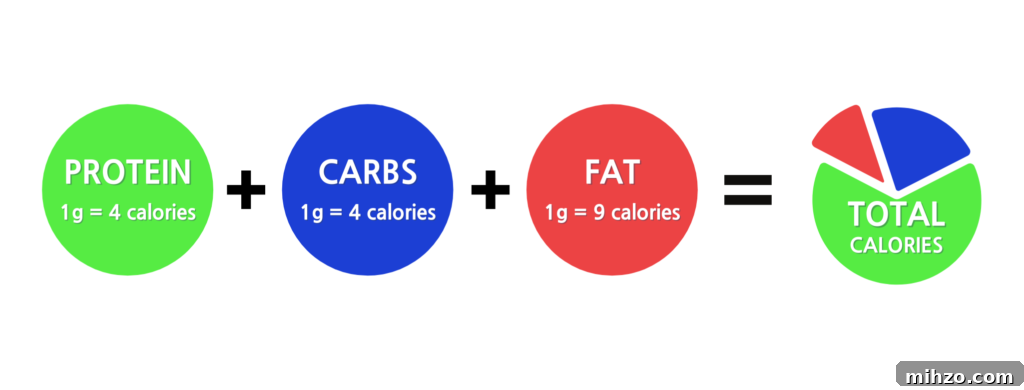
Yes. Tracking macros is simply a structured way to manage caloric intake. One gram of carbohydrate or protein equals 4 calories; one gram of fat equals 9 calories. By meeting your macro targets you naturally stay within the appropriate calorie range for your goals.
CONSISTENCY
Consistency is the backbone of success for any health or nutrition goal. With macro tracking, consistency helps coaches and individuals make meaningful adjustments based on real biofeedback. Eating in a balanced way gives flexibility to enjoy a variety of foods that satisfy you, which makes it easier to stay consistent over time.
SUSTAINABLE WAY OF EATING
The long-term goal is to teach sustainable, balanced eating habits. The aim is not to track forever, but to learn how to build a balanced plate so you can eat confidently anywhere while fueling your body well for life. Counting macros and working with a coach helps you dial in protein and balance carbohydrates and fats so you understand what your food consists of and how to make the best choices for your goals.
Establishing a healthy lifestyle is about building sustainable habits. Macro tracking provides the tools to reach your goals while educating you on balanced eating, so you can maintain progress and feel your best well into the future.