
Not all sugar is created equal. When you read labels or wonder why you hit an afternoon slump and keep craving sweets, it’s easy to assume sugar is the same no matter the source. In reality, there’s a meaningful difference between added sugar and natural sugar. Understanding that difference can change your energy, cravings, mood, and long-term health.
I focus on quality ingredients and balanced eating. As a registered dietitian, I pay attention not only to what’s missing from a meal but to what’s in it—because that often determines how you feel afterward.
Below I explain the difference between added sugar and natural sugar, why it matters, and practical steps to reduce added sugar without feeling deprived. If you want a structured plan, my 7-Day Added Sugar Detox guides a simple reset for cravings and energy, but the ideas here stand on their own.
What Is Added Sugar?
Added sugar refers to any sweetener introduced to food during processing, preparation, or at the table. This category includes cane sugar, brown sugar, coconut sugar, honey, maple syrup, and syrups used in packaged foods.
Common places you’ll find added sugars:
- Baked goods and desserts
- Flavored yogurts
- Sweetened beverages (soda, energy drinks, bottled teas)
- Condiments and sauces (ketchup, dressings, pasta sauces)
- Packaged snacks and many protein bars
Added sugar is formulated to taste irresistible. It stimulates the brain’s reward centers, creating a dopamine response that can lead to quick energy followed by a crash—leaving you tired, irritable, and reaching for more. Over time, this cycle can affect metabolism, sleep, skin, mood, and gut health.
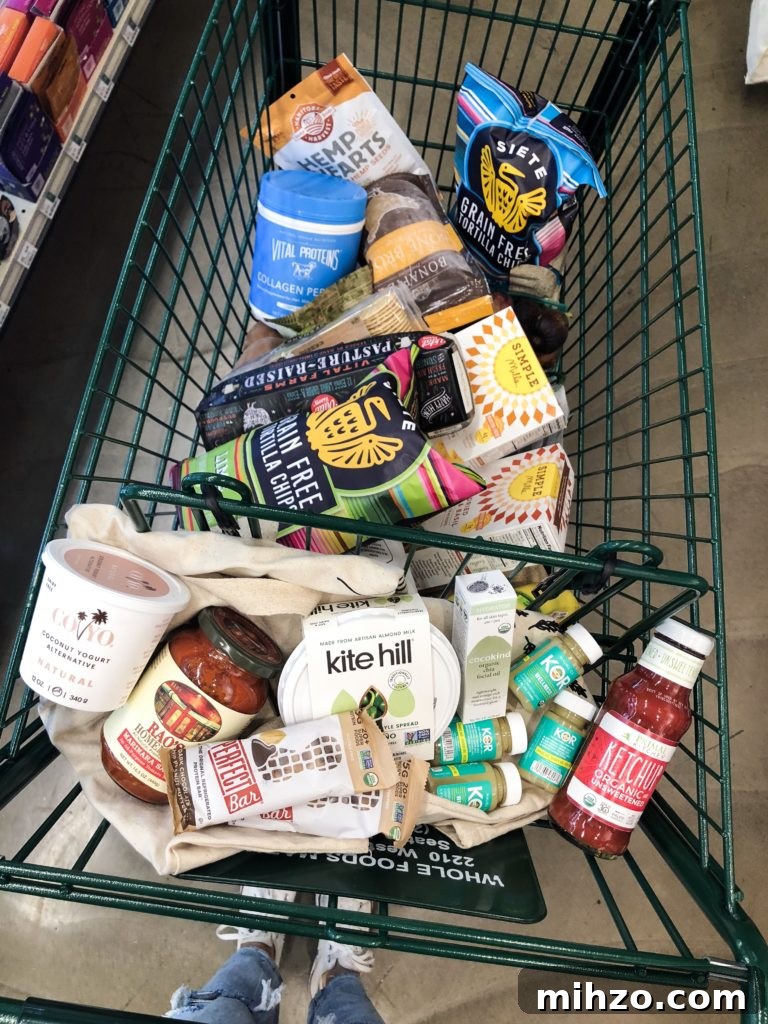
Added sugar hides in many unexpected places: salad dressings, pasta sauces, deli items, crackers, and products marketed as healthy. Manufacturers often list it under names like cane juice, maltodextrin, or fruit concentrate. Learning to read labels helps you spot these hidden sources and make better choices.
What Is Natural Sugar?
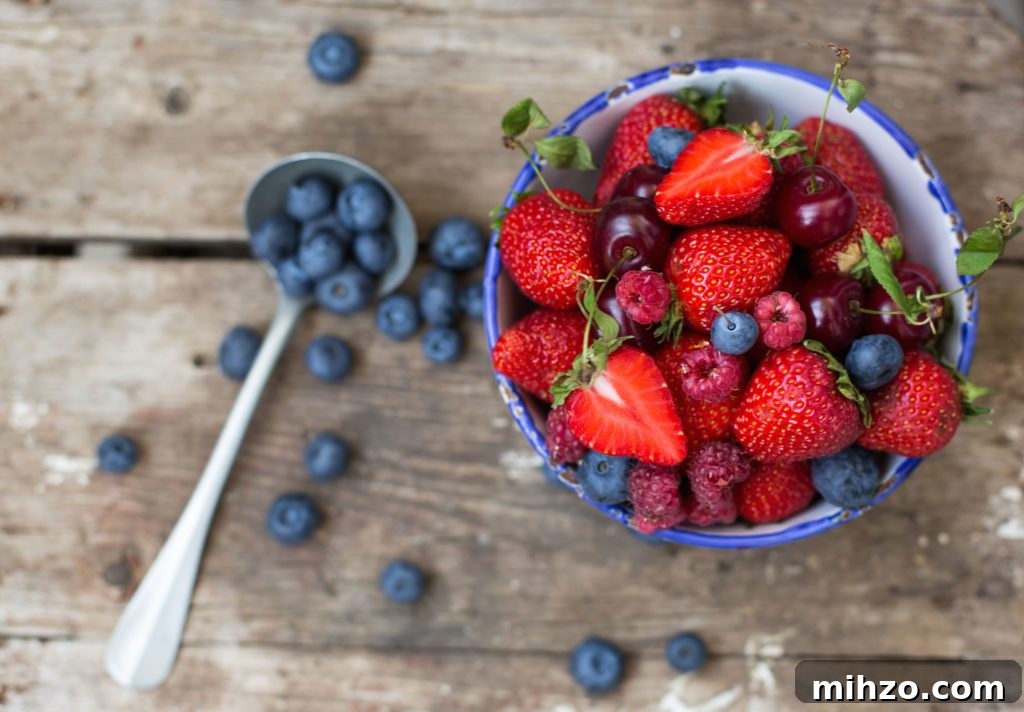
Natural sugar is the sugar that occurs naturally in whole foods such as fruits, vegetables, and dairy. These foods contain sugar together with fiber, water, vitamins, minerals, and other nutrients that slow digestion and reduce blood sugar spikes.
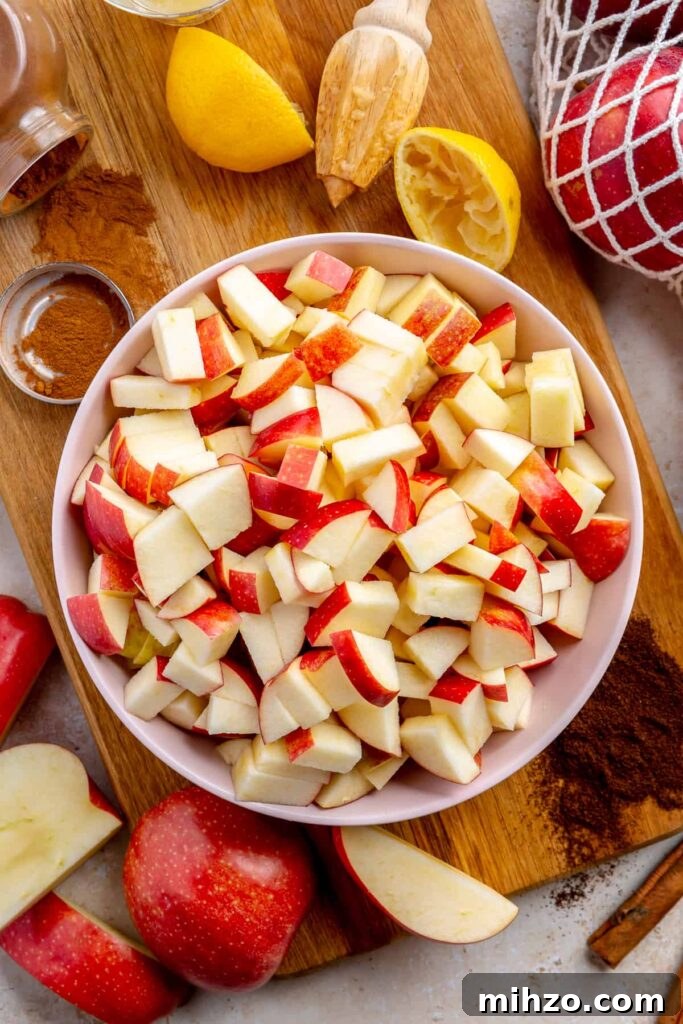
An apple or a cup of berries is not the same as a cookie or a soda, even if the total grams of sugar look similar. The fiber and nutrients in whole foods slow absorption, so natural sugars have a gentler effect on blood sugar and offer nutritional benefits.
Much of the confusion around sugar comes from comparing isolated sugar molecules. Fruit sugar and table sugar may be chemically similar, but your body’s response depends on the whole-food context—how the sugar is packaged with other components like fiber and water.


Added Sugar vs. Natural Sugar: Key Differences
Here are the main distinctions between added sugar and natural sugar:
- Source: Added sugar is introduced during processing or preparation; natural sugar exists within whole foods.
- Blood sugar impact: Added sugar tends to raise blood sugar quickly and can lead to energy crashes; natural sugar is absorbed more gradually due to fiber and nutrients.
- Nutritional value: Added sugar provides calories with little or no nutrients; natural sugar comes with vitamins, minerals, antioxidants, and fiber.
- Cravings and satiety: Added sugar can promote further cravings and overconsumption; natural sugar in whole foods is generally more satisfying in moderation.
In short, sugar’s effect depends on the food context. Choosing whole-food sources over processed sweets helps maintain steady energy and better overall health.
Why Limiting Added Sugar Matters
Excessive added sugar is associated with energy crashes, persistent cravings, inflammation, gut disturbances, and higher risk for chronic conditions. Health authorities recommend limits: for example, women are advised to keep added sugar under about 24 grams (roughly 6 teaspoons) per day and men under about 36 grams (roughly 9 teaspoons).
Many people consume far more added sugar than they realize because it appears in so many packaged foods. Small, consistent reductions pay off—reducing cravings, improving sleep, stabilizing mood, and lowering inflammation.
What About Natural or Zero-Calorie Sweeteners?
Natural zero-calorie sweeteners like monk fruit and stevia, or sugar alcohols such as erythritol and xylitol, provide sweetness without the calories of sugar. However, they still taste sweet and can trigger the brain’s reward circuitry in a way that maintains cravings for sweet flavors. Additionally, some sugar alcohols can cause digestive discomfort like gas or bloating in sensitive individuals.
Tips for Spotting and Reducing Added Sugar
Cutting back on added sugar doesn’t require giving up sweetness entirely. It’s more about recognizing hidden sugars and choosing satisfying, real-food alternatives. A few practical tips:
- Read ingredient lists—look for alternative names for sugar such as syrups, concentrates, maltodextrin, and anything ending in “-ose.”
- Choose whole fruits instead of fruit-flavored or fruit-sweetened products; the fiber in whole fruit moderates sugar absorption.
- Swap sweetened yogurts for plain yogurt and add fresh fruit or a small drizzle of natural sweetener if needed.
- Be cautious with packaged “health” foods; many bars and snacks marketed as nutritious are high in added sugars.
- Gradually reduce sweetness in recipes and beverages to reset your palate—small changes add up.
The Bottom Line on Added Sugar vs. Natural Sugar
Natural sugars in whole foods are generally fine in moderation because they come with fiber and nutrients that support stable energy and overall health. The primary concern is hidden added sugars in processed foods that contribute to energy crashes, cravings, and inflammation. By learning to spot added sugars and choosing whole-food options most of the time, you can improve energy, reduce cravings, and support long-term health.
Sources:
- Recommendations from established health organizations on added sugar intake
- Research into sweeteners and the neurobiology of cravings
Find more nutrition tips on the blog.