When it comes to dealing with fussy eating, the way in which you serve food can sometimes be more important than the food itself.
We often view picky eating too simply, sorting foods into “like” and “dislike” without appreciating the sensory and practical challenges a child may face. What looks like stubbornness can be a reaction to appearance, smell, texture, temperature or the mechanics of eating a particular dish. Recognising these factors can help reduce mealtime battles and make eating less stressful for the whole family.
Taste is often the final hurdle. Before a child even gets to flavours, they must handle how a food looks on the plate, how it smells, and how it feels in their mouth or hands. For many children, especially those with sensory sensitivities, these non-taste aspects determine whether they will accept a meal.
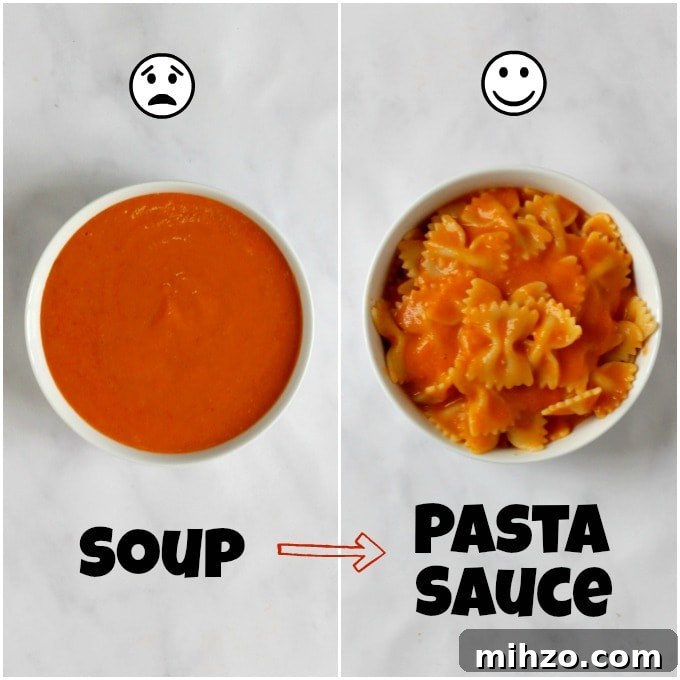
Take soup as a common example. Soup is versatile, economical, and excellent for using up vegetables and leftovers. Yet many children resist it—not necessarily because they dislike the flavour, but because soup presents sensory and practical challenges. It can be messy, it may slosh or drip, and it requires steady spoon-to-mouth coordination. Those issues alone can make a seemingly simple meal unappealing.
My own children illustrate this. My daughter will tolerate soup: she might complain a bit when it appears, but she generally eats it. My son, however, struggles with the texture and the act of eating soup. He is autistic and sensitive to how food feels and how easy it is to eat. For him, soup feels awkward and risky, so he refuses it. This is a good reminder that picky eating is often about the experience, not the taste.
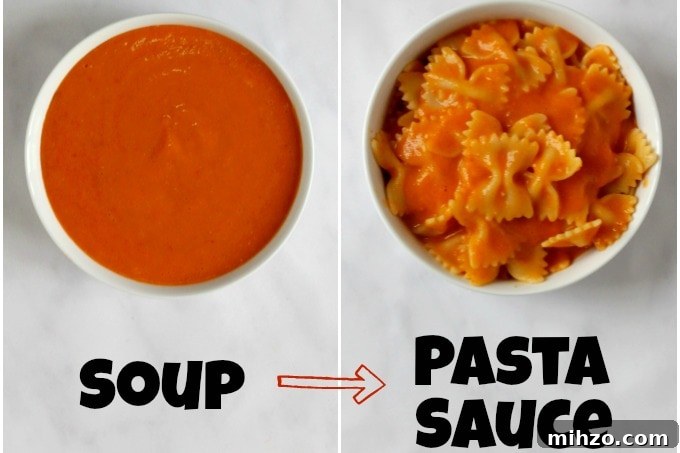
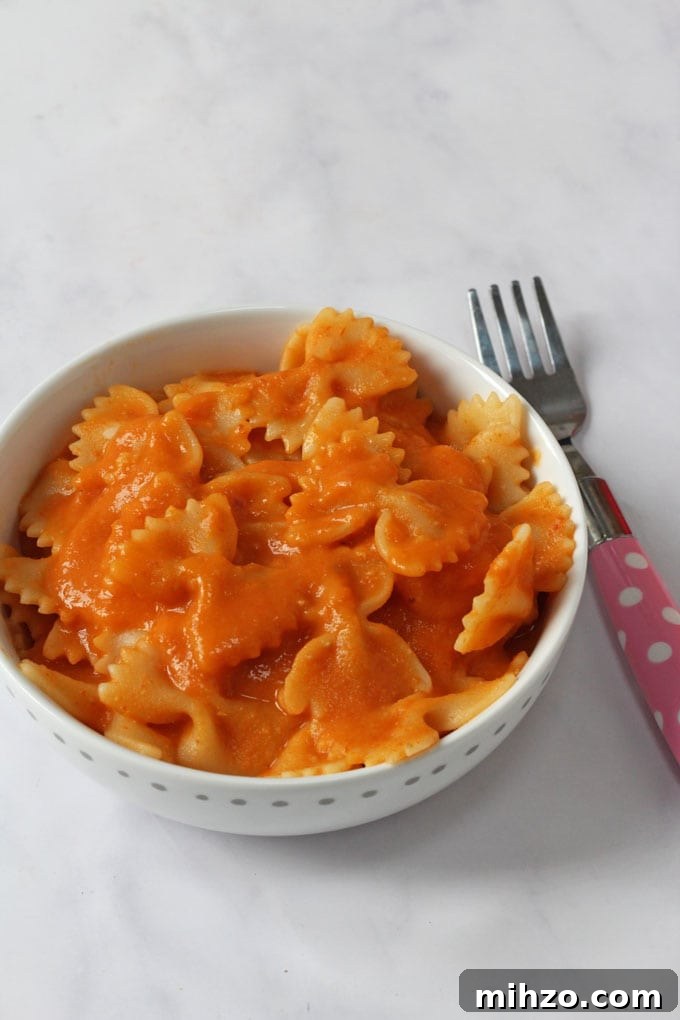
One effective strategy is to change how you serve familiar foods. For example, turn homemade soup into a pasta sauce. Many children find pasta a safe and comfortable option—familiar, easy to pick up with a fork, and less messy than spooning soup. Using soup as a sauce lets you conceal plenty of vegetables and protein in a format that’s easier and more appealing to a nervous eater. A tomato-and-chorizo soup, for instance, can become a rich, veggie-packed sauce for pasta.
Small presentation adjustments like serving wet foods as sauces, changing utensils, offering dip-friendly finger foods, or arranging items in separate sections on a plate can make a big difference. These tweaks reduce sensory overload and the fear of spills, and they give children a sense of control and predictability at mealtimes.
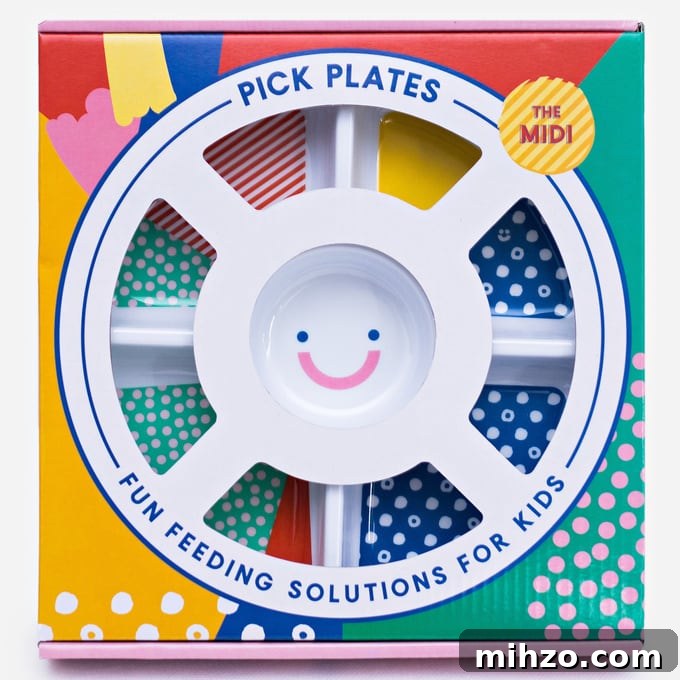
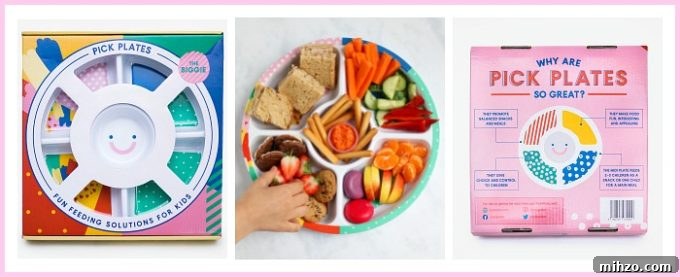
Divided plates or compartmentalised serving options can also help. Separate sections let a child see each element clearly and avoid unwanted mixing of textures. A plate with multiple compartments encourages variety while keeping items distinct, which many picky eaters find reassuring. Filling different sections with small portions of diverse foods makes the meal look fun and manageable.
When trying new serving styles, be patient and experimental. Gradual changes—such as swapping soup for a familiar base like pasta, offering a new food alongside well-liked options, or changing the plate format—are less intimidating and more likely to succeed than forcing a complete overhaul. Observe what aspects your child reacts to (temperature, texture, visual layout) and adapt accordingly.
Understanding the sensory and practical dimensions of eating is often the key to helping a picky eater expand their range. By focusing on how food is presented and offering familiar, manageable formats for new ingredients, you can make mealtimes calmer and more successful without changing the foods you prepare.