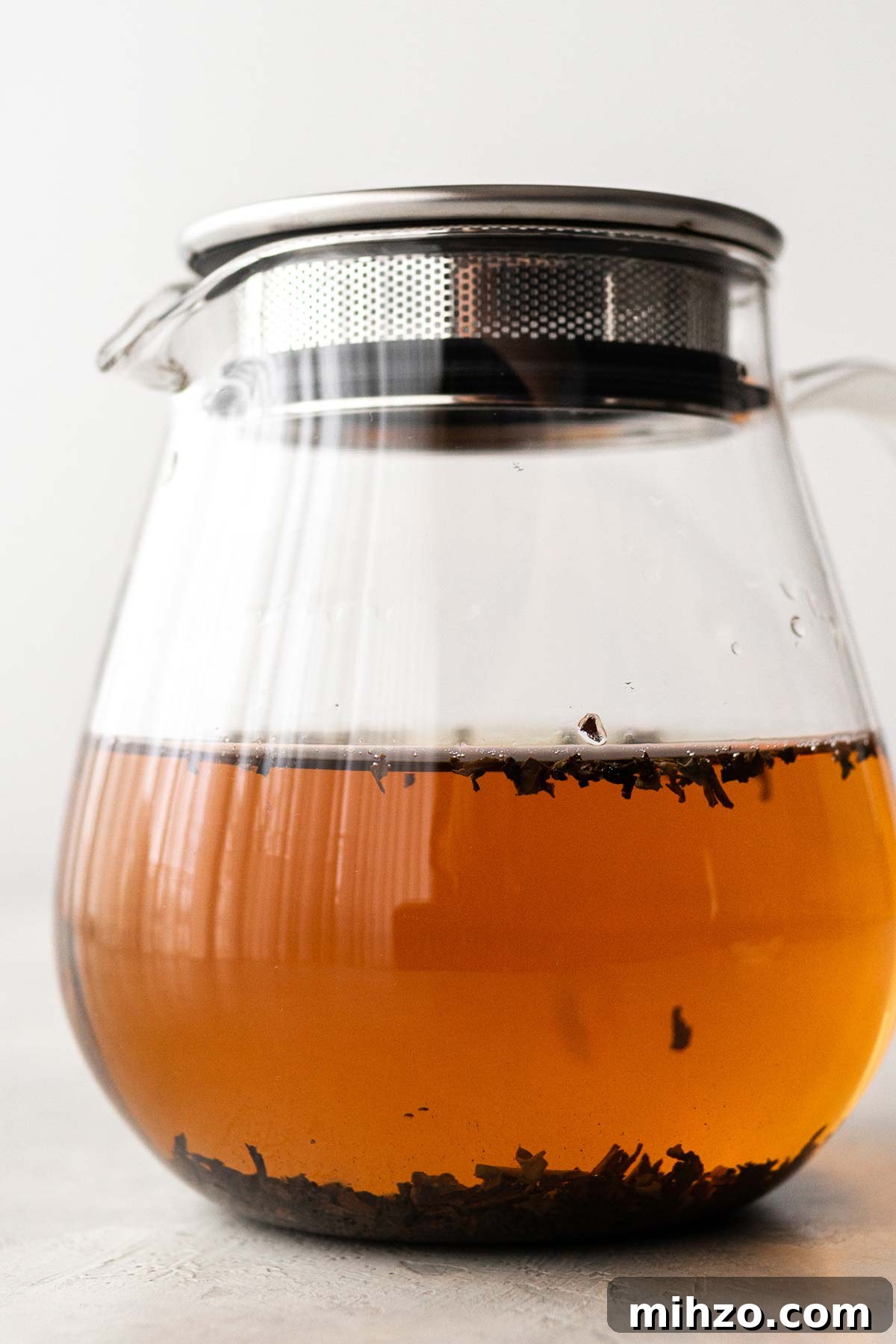
Get clear, step-by-step instructions and practical tips from a certified Tea Sommelier on how to brew black tea properly.
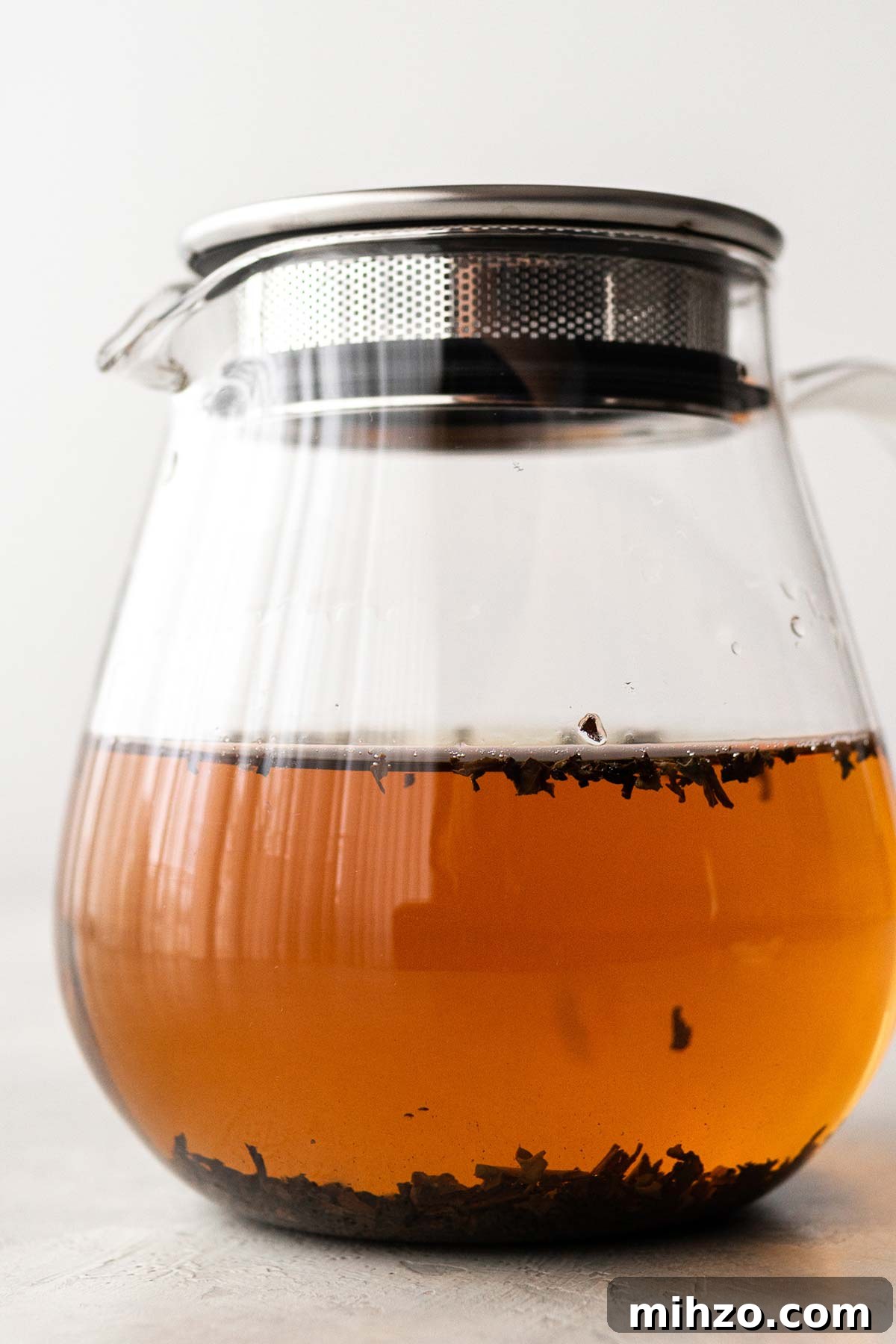
Black Tea
Black tea is the most widely consumed tea worldwide. Like green, oolong, and white tea, it comes from the Camellia sinensis plant and naturally contains caffeine.
To make black tea, freshly plucked leaves are allowed to wither and oxidize. This oxidation darkens the leaves and develops the bold, robust flavors and deep color associated with black tea.
Major black tea producers include China and India, though many regions make distinctive varieties. Flavors can range from malty and full-bodied to delicate and floral, or even smoky and earthy.
Note from Jee

When I trained to become a Tea Sommelier, I drank a lot of black tea so I could learn to identify different varieties on taste.
A simple practice to build your tasting skills is to brew and drink the same black tea every day for a week. By the end of the week you’ll be more familiar with its flavor profile and better able to recognize it later.
Then pick a different black tea and repeat the process to expand your palate.
Different Black Teas
Common black tea types include:
- English Breakfast: A blend of black teas crafted differently by each producer; often enjoyed with milk and sugar.
- Earl Grey: Black tea flavored with bergamot, a citrus oil.
- Chai: Black tea blended with warming spices such as cinnamon, cardamom, and cloves.
- Assam: A bold, malty tea from India often used in blends like English Breakfast and some chai recipes.
- Darjeeling: A lighter, floral tea sometimes called the “Champagne of teas” for its delicate aroma.
- Ceylon: From Sri Lanka, Ceylon tea is bright and citrusy and works well both hot and iced.
- Lapsang souchong: A Chinese black tea smoked over pine wood, giving a distinctive smoky character.
- Keemun: A Chinese black tea often used in classic blends and appreciated for its smooth, slightly fruity notes.
Step-by-Step Instructions
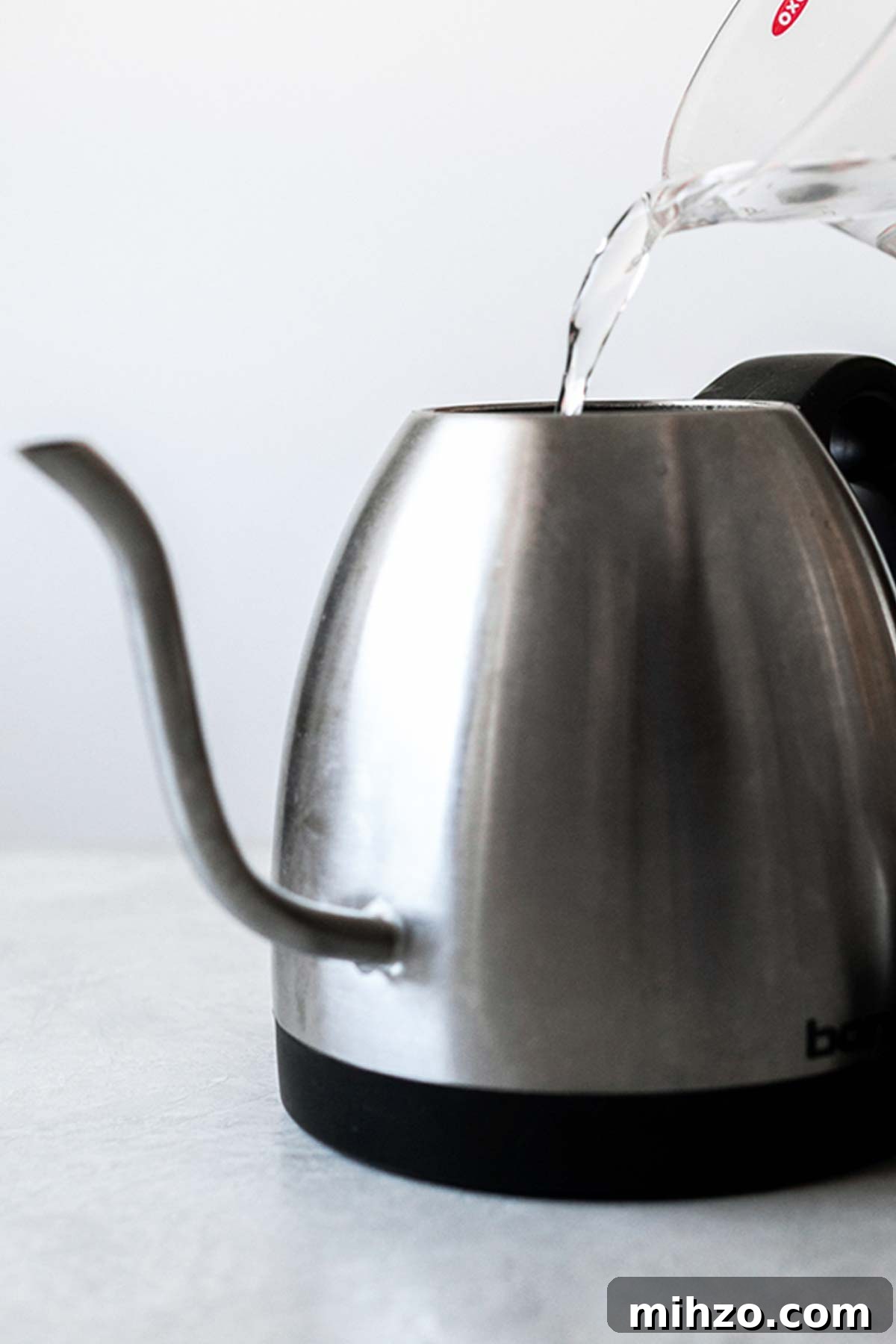
Step 1: Boil water. For best results use an electric kettle with temperature control and boil slightly more water than you need so you can warm the teapot first.
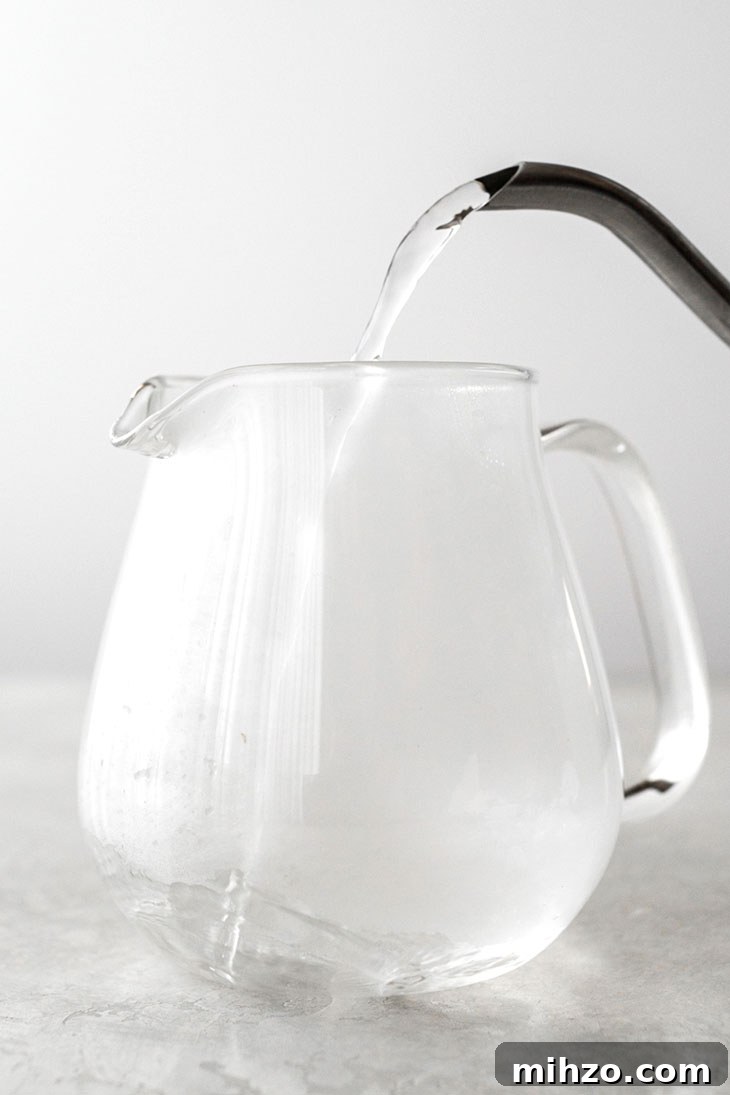
Step 2: Warm the teapot by swirling hot water inside, then discard that water. Warming helps maintain brewing temperature when you steep.
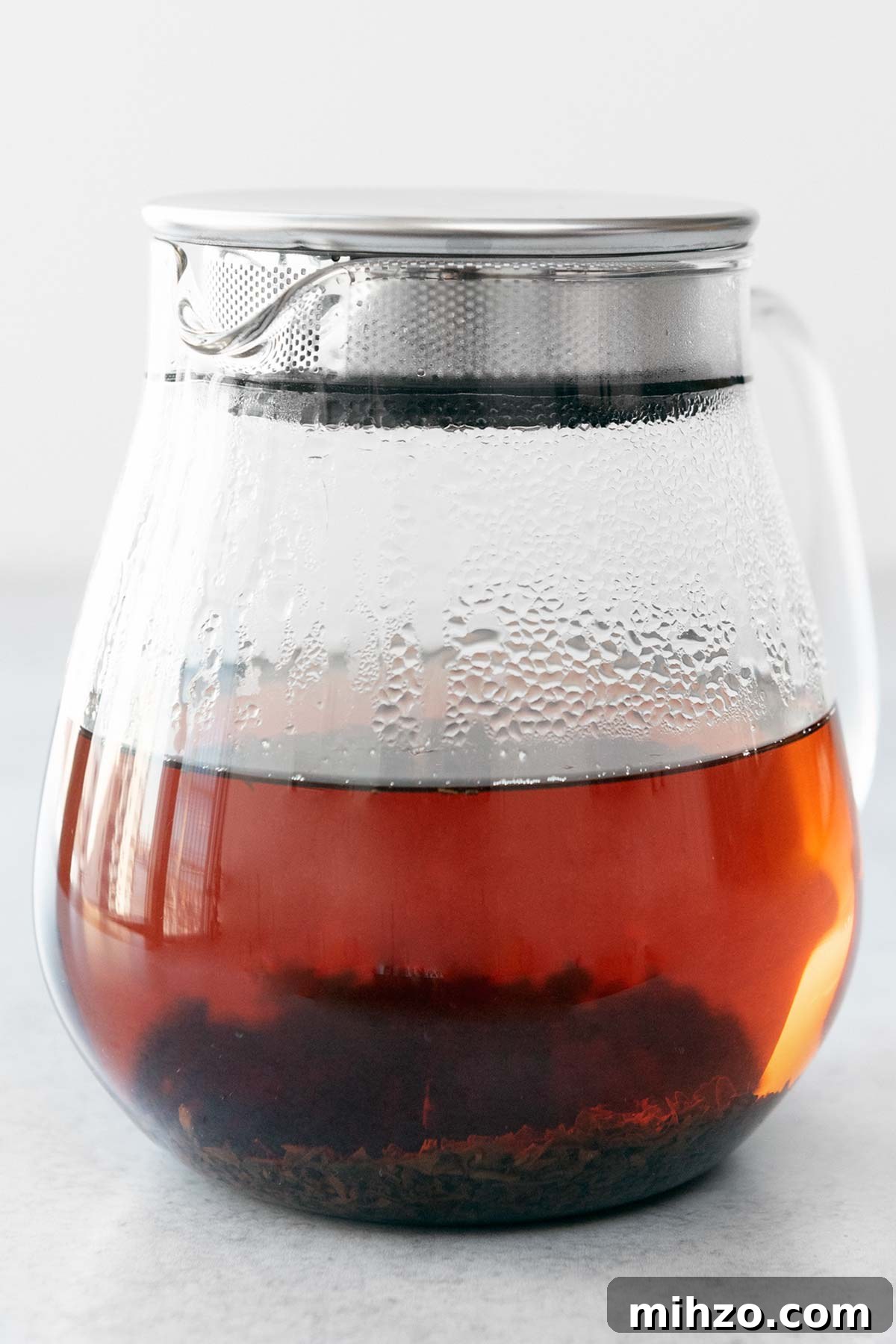
Step 3: Add the black tea to the warmed teapot and pour in hot water. Cover and steep.
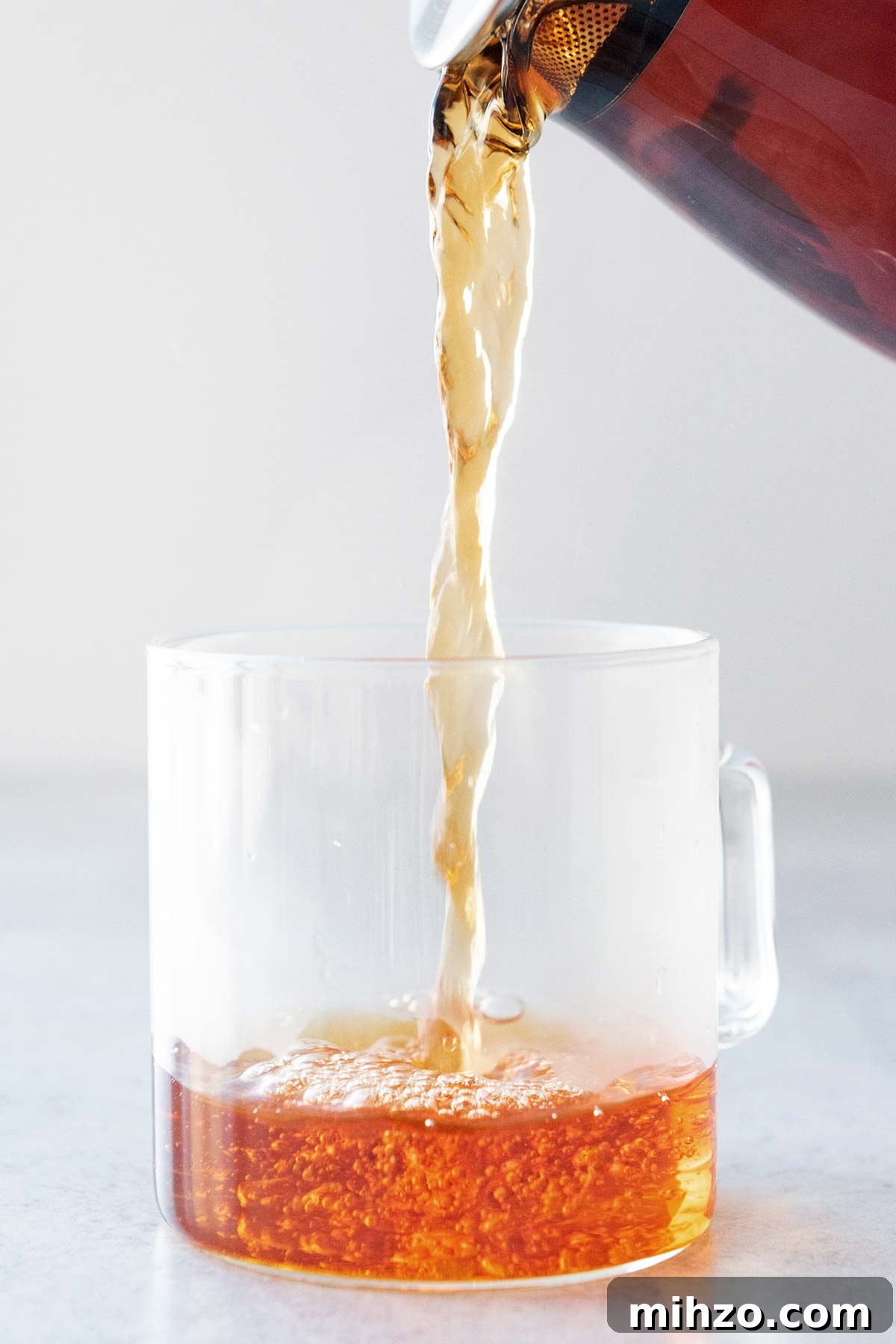
Step 4: Strain out the leaves and pour the brewed tea into a cup. Enjoy as is or add milk and/or sweetener to taste.
Tea Sommelier’s Tips
Don’t oversteep the tea.
Oversteeping black tea can produce bitterness. A typical guideline is up to 5 minutes, but always check the specific steep time recommended on the tea packaging.
Water quality is important.
Use clean, filtered water to avoid off-flavors. Good water makes a noticeable difference in taste.
Black tea can be enjoyed with or without milk or sugar.
Black tea is versatile: drink it plain, sweetened, with milk, or prepared as a spiced chai. Choose what you enjoy.
Related
- 10 Tea Sommelier Tips
- Where to Buy Tea Online
- Lavender Iced Tea
- Lemon Iced Tea
- Iced Milk Tea
Want to save this guide for later? Pin it to your Pinterest board.
How to Make Black Tea Properly
Ingredients
- 1 cup water, + more to warm teapot
- 1 ½ teaspoons black tea, or 1 tea sachet or tea bag
Instructions
-
Boil water.
If using an electric kettle with temperature settings, set it according to the tea package. Black tea is typically brewed at or near 212ºF (100ºC).
Heat a little extra water to warm the teapot.
-
Warm the teapot.
Pour hot water into the teapot, swirl to warm the walls, then discard the water. This helps maintain proper steeping temperature.
-
Add tea and steep for up to 5 minutes.
Place the black tea in the teapot, pour in hot water, cover, and steep. Check your tea packaging for the recommended steep time for that specific tea.
-
Strain and serve.
Strain out the leaves and pour the tea into a cup. Add milk or sweetener if desired.
Notes
- Different black teas have specific ideal brewing temperatures, commonly between 200°F and 212°F. Refer to the tea packaging for the best temperature.
- Keep steeping time in check to avoid bitterness. Five minutes is a common maximum; follow your tea’s instructions.
- Use clean, filtered water to preserve the tea’s true flavor.
- Black tea can be enjoyed plain or with milk and/or sugar depending on preference.
Nutrition
Nutrition information is automatically calculated and should be used only as an approximation.