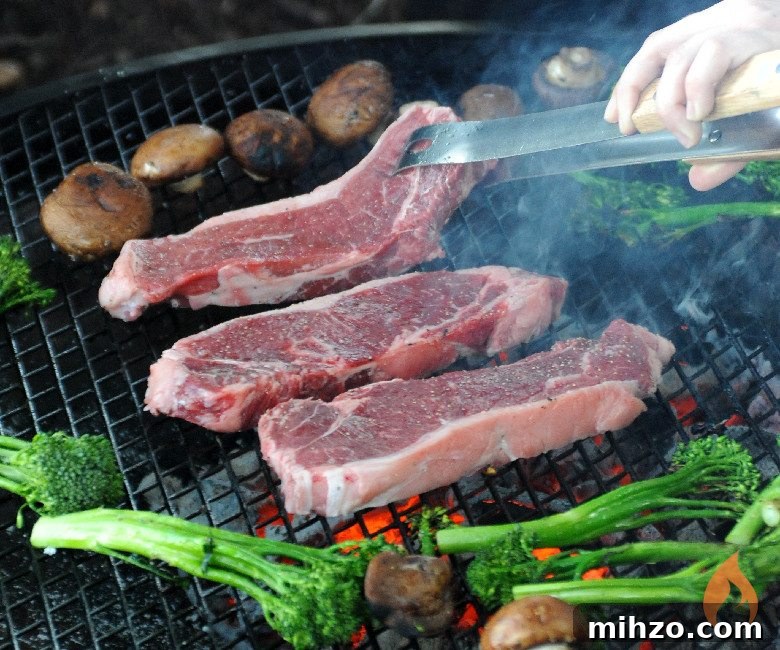
You don’t need a dedicated barbecue to grill—your backyard fire pit can double as a cooktop with a simple grill grate placed across the top.
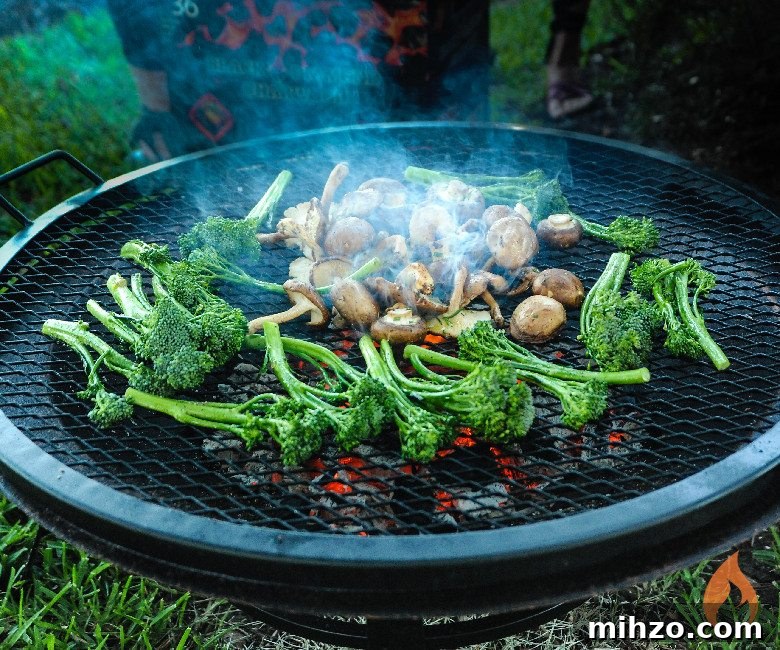
Fire pits have become a staple in many backyards because they bring people together. They create a focal point, warmth and atmosphere—so why not add grilling to the list of things your fire pit can do?
If your yard is already the neighborhood hangout, grilling on that same fire pit makes your gatherings even more appealing. Below is a practical guide to getting started, from choosing the right pit and grate to lighting coals and cooking a variety of foods.
Table of Contents
- Basics of grilling
- Choosing your fire pit
- How to light a fire pit
- Cooking over a fire pit
- Grilling on a stick
- Sit back and enjoy
Basics of grilling
Grilling essentially needs three things: a heat source, a contained area for that heat to burn, and a grill grate to hold the food. Traditional grills combine those elements, but a fire pit can provide the same functionality with a little planning.
Benefits of grilling on a fire pit include:
- Fire pits are common and make outdoor gatherings inviting
- A single accessory (a grate) adds cooking functionality
- You can choose a pit that fits your outdoor style
- When the food is done, the fire continues to provide ambiance
Choosing your fire pit
When picking a fire pit that will double as a grill, focus on three main factors: bowl depth, diameter, and style.
Choose a fire pit with a shallow bowl
A shallow bowl keeps the coals close to the grate for effective cooking. Deep bowls require more fuel and make it harder to get the heat where you need it. A bowl around 7 inches deep is a good target.
Size matters
Most fire pits don’t include a cooking grate, so measure the pit’s top diameter before buying a grate. Get a grate that’s an inch or two larger than the pit opening so it rests securely on the rim without slipping inside.
A 30-inch grate provides plenty of space for party cooking; smaller grates work well for family meals. Look for heavy-duty grates with handles for safe removal, and check the spacing between bars—narrow gaps keep slender vegetables like asparagus from falling through.
A range-adjustable grate that spans roughly 19 to 40 inches is a versatile option for many pits.
Select a pit that matches your style
Fire pits come in many finishes and designs. Stainless steel offers a sleek look; copper or rustic finishes suit a more traditional yard. You can also enhance the area with a ring of bricks or blocks for a built-in appearance. Choose a pit that fits your aesthetic and budget.
How to light a fire pit
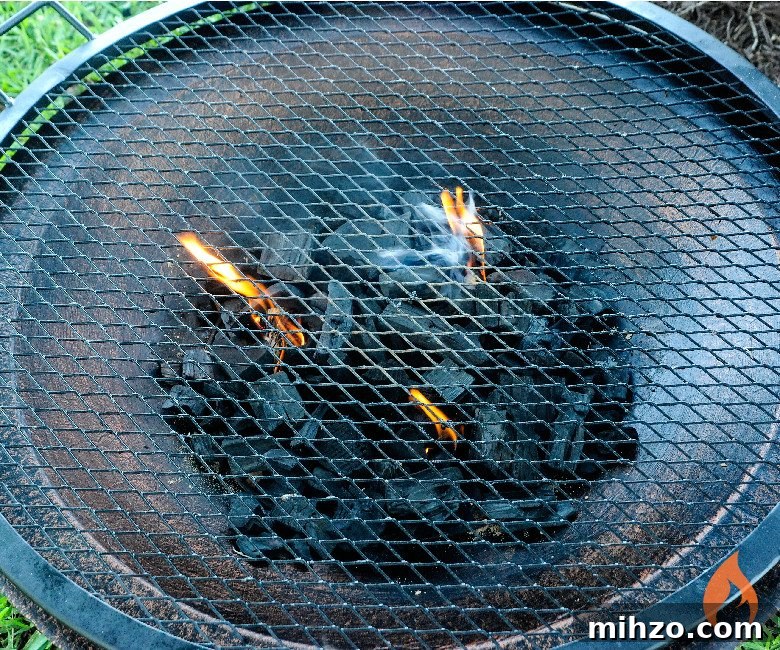
For grilling, charcoal briquettes or lump charcoal are ideal. Pile the coals in a mound near the center of the bowl. Tuck one or two fire starters among the coals and light them with a long-handled lighter.
Allow the coals to burn until they develop a light gray ash—this indicates even, steady heat. Use long-handled tongs to spread the coals across the bowl when they’re ready. For flexible cooking, push the coals to one side to create two zones: direct heat over the coals and indirect heat on the cooler side.
Set the grill grate over the top and let it preheat; a hot grate prevents sticking and helps achieve a good sear.
Cooking over a fire pit
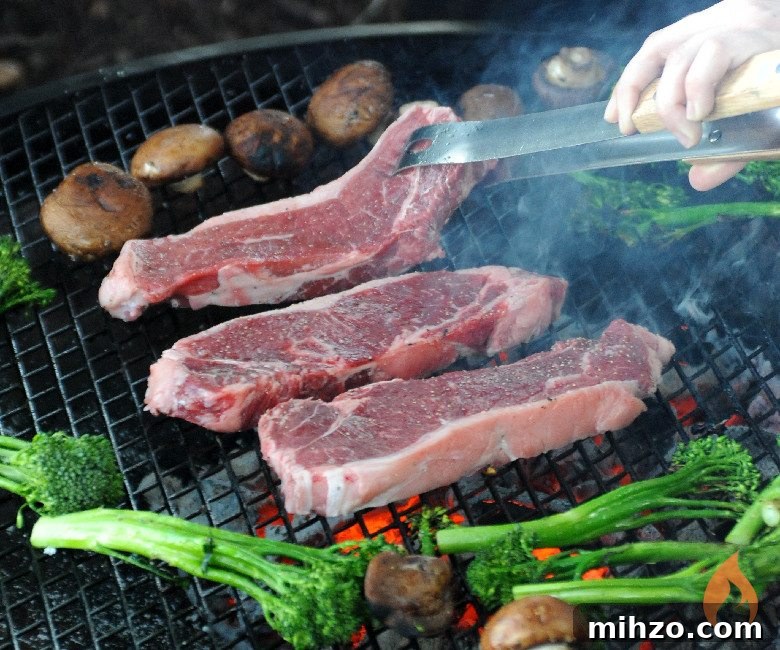
With hot coals and a heated grate, you can grill most of the usual suspects. Burgers, hot dogs, steaks and vegetables cook well over the direct heat. Foods that need longer cooking time—like bone-in chicken breasts or thicker pork chops—do better on the indirect side; finish them over the coals briefly for a seared exterior.
Cast iron skillets can be set directly on the grate to prepare dishes that benefit from a flat surface, such as skillet mac and cheese, pan-roasted vegetables or seared steaks. Cast iron retains heat and pairs well with open-fire cooking.
Grilling on a stick
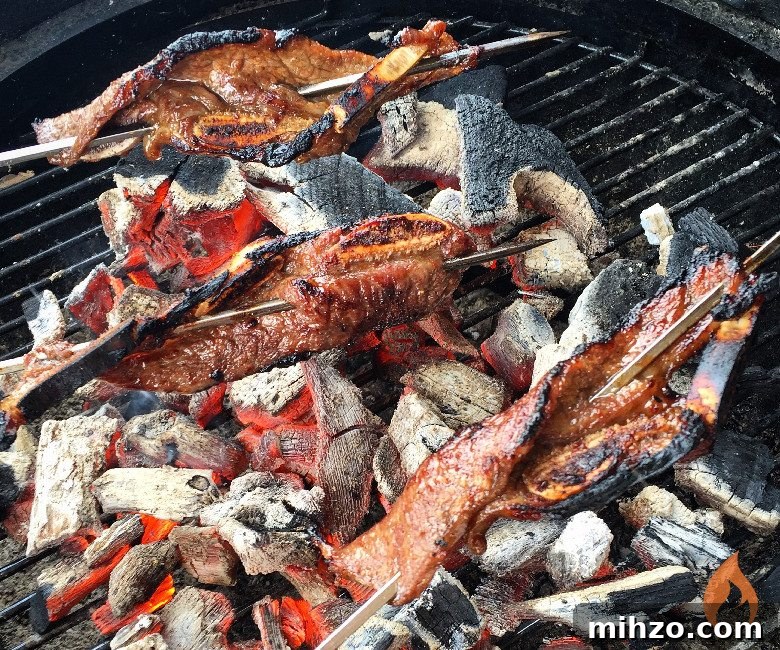
If you prefer to cook without a grate, metal skewers are a great option. When choosing skewers:
- Use skewers at least 17 inches long to keep hands well away from the heat
- Flat skewers prevent food from spinning when you turn them
- Pick sturdy skewers that won’t bend under a heavy load
Heavy-duty stainless steel flat skewers are a durable and reliable choice.
Simple kabobs or steak-on-a-stick are classic and easy to manage over hot coals. Rotate skewers regularly so all sides cook evenly.
Sit back and enjoy
When cooking is finished, remove the grate using heat-resistant gloves or tools and set it on a non-combustible surface such as bricks or stones—placing a hot grate on decking or grass can leave burn marks. Keep kids and pets away from the hot equipment.
Top the coals with a couple of dry logs if you want a longer-burning fire for warmth and ambiance while you enjoy the meal. A fire pit that cooks as well as it entertains makes outdoor gatherings simple and satisfying.