Six million children in the United States had an ADHD diagnosis as of fall 2021. That figure may already be higher by the time you read this. Dana Kay, a holistic health practitioner and ADHD expert, raises a crucial question: how many of those diagnoses reflect true ADHD, and how many are symptoms driven by other causes?
Dana’s personal journey is both moving and hopeful. After witnessing her own son’s struggles and the cascade of medications prescribed to him, she pivoted her career to focus on root-cause healing. Her experience led her to help other families find alternatives and practical strategies so they don’t have to follow the same painful path she did.
Two standout insights from the conversation are especially powerful:
- When a child’s gut is inflamed, removing gluten can have dramatic behavioral effects—sometimes almost immediate.
- Assigning age-appropriate chores helps build executive functioning. For children who struggle with attention and planning, developing the prefrontal cortex through consistent responsibilities makes a measurable difference.
Whether you are parenting a child with ADHD, supporting someone with neurodiversity or anxiety, or you’re curious about the gut–brain connection, this interview offers practical hope and tangible steps families can use to begin healing.
Topics discussed include:
- The significant influence the gut has on brain function and emotional regulation.
- The top three inflammatory foods Dana asks families to remove first—gluten, dairy, and soy—and the surprising improvements families often report.
- How a supportive community can change the outcome for children and parents.
- Dana’s honest reflection on how hard it was to love her son but not always like his behavior when he was at his worst—and why that honesty can lead to compassion and change.
- The role of chores and cooking in developing responsibility and improving eating habits and self-regulation.
- Hopeful alternatives for families wary of escalating medication plans, and practical grace for those who choose medication while also seeking other options.
Dana brings a warm Australian accent and a gift for storytelling. She blends professional training with lived experience as a mother and practitioner, making complex ideas easy to understand and apply.
She also shares her estimate—based on years of coaching families—that a substantial portion of diagnosed children may not have classical ADHD but rather behavioral symptoms driven by inflammation, diet, or other environmental factors.
Find all episodes of the Healthy Parenting Handbook podcast on the host site or your favorite podcast app.





Can’t see the video? Watch the conversation on YouTube for the full interview.
If you don’t have time for the full video, here are the key notes with practical takeaways and timestamps that align with the video recording.
What Does an ADHD Diagnosis Mean?
- 1:25 — Approximately 6,000,000 children carry an ADHD diagnosis in the U.S. Dana asks how many of those cases are truly ADHD versus symptoms caused by other root issues such as diet-related inflammation.
- 1:47 — Dana changed her career to support her son and now helps families address the underlying drivers of attention and behavior challenges.
- 3:28 — Dana’s son was immediately prescribed medication after diagnosis. Over time, dosages increased and new prescriptions were added to manage side effects. That experience motivated her search for other solutions.
“Once I learned about the impact food has on behavior, I couldn’t keep that information to myself.” — Dana Kay
- 8:04 — Medications can work initially, but side effects often lead to additional prescriptions. Dana’s son was on his fourth medication within a year.
- 9:36 — ADHD and anxiety often co-occur. Anxiety may be part of the original presentation or can be exacerbated by medication side effects.
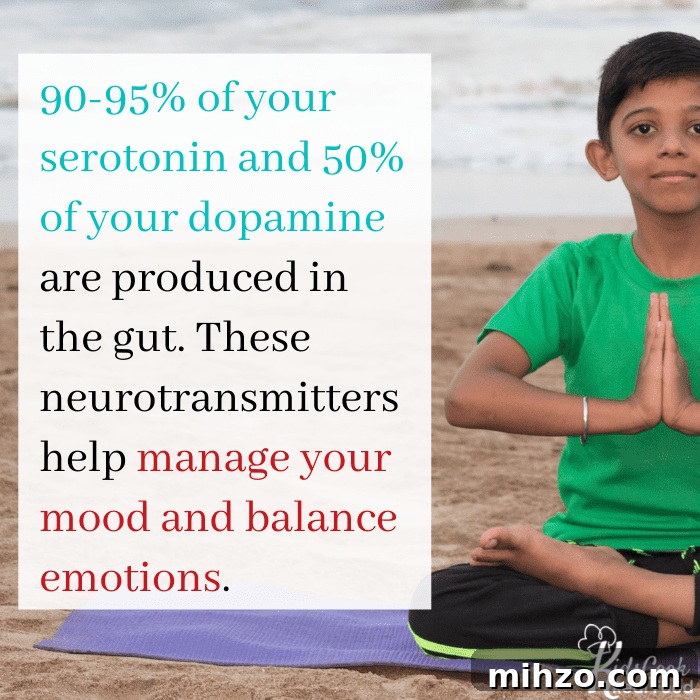
- 10:40 — The gut and brain are tightly connected. Many neurotransmitters, including large percentages of serotonin and significant amounts of dopamine, are produced in the gut and influence mood and behavior.
- 12:34 — Dana recommends starting with diet: remove inflammatory foods and add anti-inflammatory choices. She identifies gluten, dairy, and soy as top inflammatory culprits to eliminate first.
- 15:02 — Removing major food groups can feel overwhelming. Dana advises gradual, sustainable changes rather than immediate perfection.
- 16:32 — Dietary improvements can complement medication. Families who combine careful nutrition with medical guidance often see better, more stable outcomes.
- 18:06 — These gut-healing approaches benefit the whole family. When households adopt anti-inflammatory diets together, parents and siblings frequently notice improved energy, mood, and sleep.
- 19:28 — Dana estimates that only about 15% of the children she works with truly have classic ADHD; many others improve dramatically when gut inflammation and diet are addressed.
- 20:55 — Finding knowledgeable support can be difficult. Dana offers guidance rooted in both clinical training and lived experience as a mother.
“I loved my son, but I didn’t like him.” — Dana Kay
- 22:24 — Community matters. Dana runs a support group where parents share strategies and encouragement. Many parents experience detox-like symptoms when eliminating gluten, and having a group to normalize that process can be invaluable.
- 27:23 — Cooking with children supports better eating, responsibility, and self-confidence. When kids participate in preparing food, they are more likely to try and accept the foods they help make.
- 28:46 — Dana is developing a course to teach kids why diet matters for their health and how to make healthy choices themselves. The course emphasizes responsibility, skill-building, and empowerment.
- 30:11 — The interview concludes with a hopeful message: change is possible and many families find peace by addressing root causes rather than only managing symptoms.
“So many parents feel trapped like nothing they do will help their neurodiverse child. Hope is possible. Peace is possible.” — Dana Kay

Resources Mentioned
- Practical solutions for ADHD symptoms and behavior management.
- Strategies to help children manage stress and anxiety.
- Information about sugar, chronic inflammation, and how diet influences health.
- Guides to reducing inflammatory foods and transitioning children away from gluten and dairy.
- Support communities for parents navigating an ADHD diagnosis.
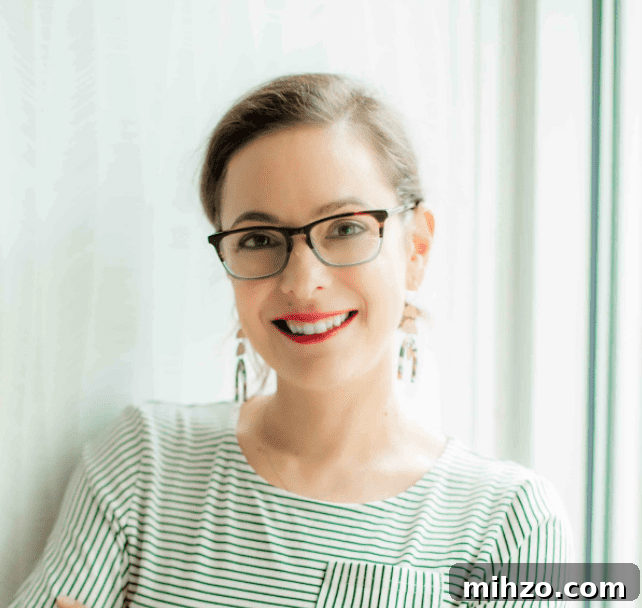
Dana Kay is a board-certified holistic health practitioner and the founder of the ADHD Thrive Method for kids. As a mother of a child who was prescribed multiple medications, she sought natural alternatives and practical strategies to reduce symptoms and restore balance in her son’s life. Through education and hands-on coaching, Dana helps families explore nutrition, lifestyle, and skill-building approaches that support long-term health and improved behavior.