On a Christmas vacation last year, I was fortunate to try the iconic Sacher Torte in Vienna. Despite many descriptions calling it dry or overhyped, I found it pleasantly soft (it shouldn’t be overly moist), with apricot jam providing a bright contrast to the chocolate glaze. Eating it in one of Austria’s historic coffee houses made the experience special, and I returned determined to recreate it at home. The result was rewarding — the cake isn’t difficult, but it requires a few careful steps and patience while layers and glazes set. I hope you’ll try it.
I researched Sacher Torte extensively before attempting it. Created in 1832 by Franz Sacher, the cake has inspired debate, court cases and countless variations. After reading many takes, I adapted a recipe down to an 8-inch version. After my first try I adjusted two things: I used a thicker layer of apricot jam in the center so the fruit layer would be clearly visible and flavorful, and I experimented with the more traditional — and slightly trickier — chocolate glaze used in the original.
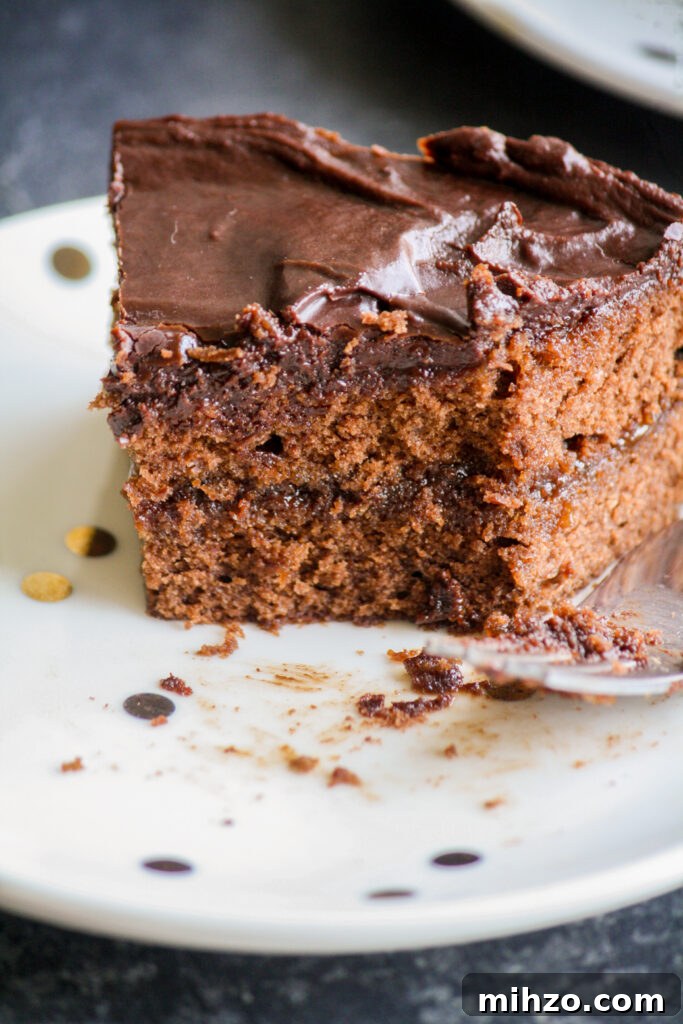
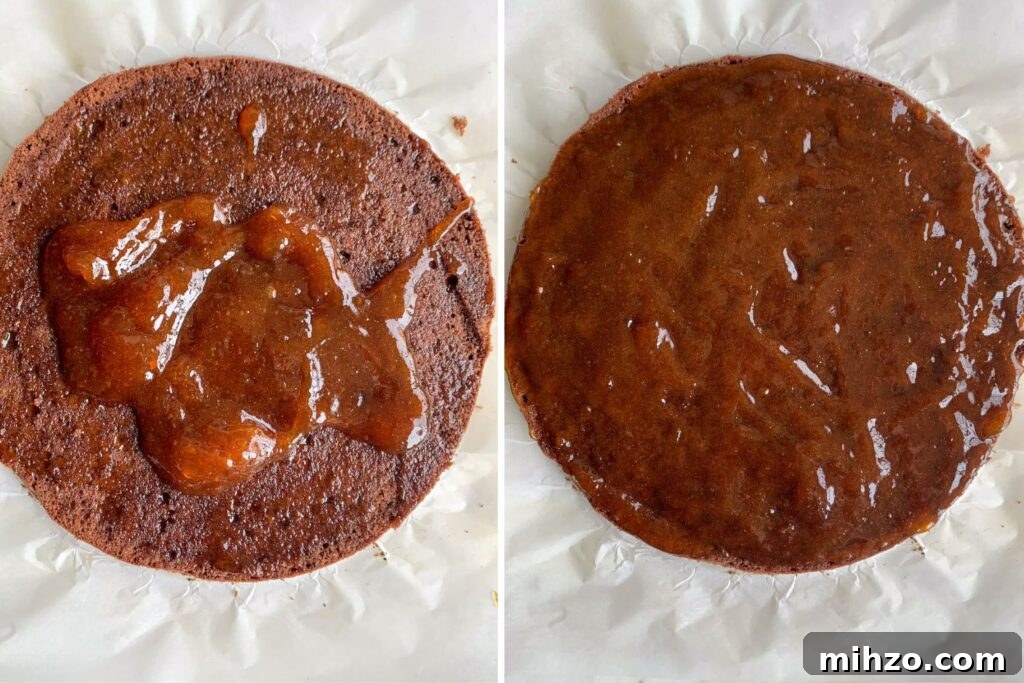
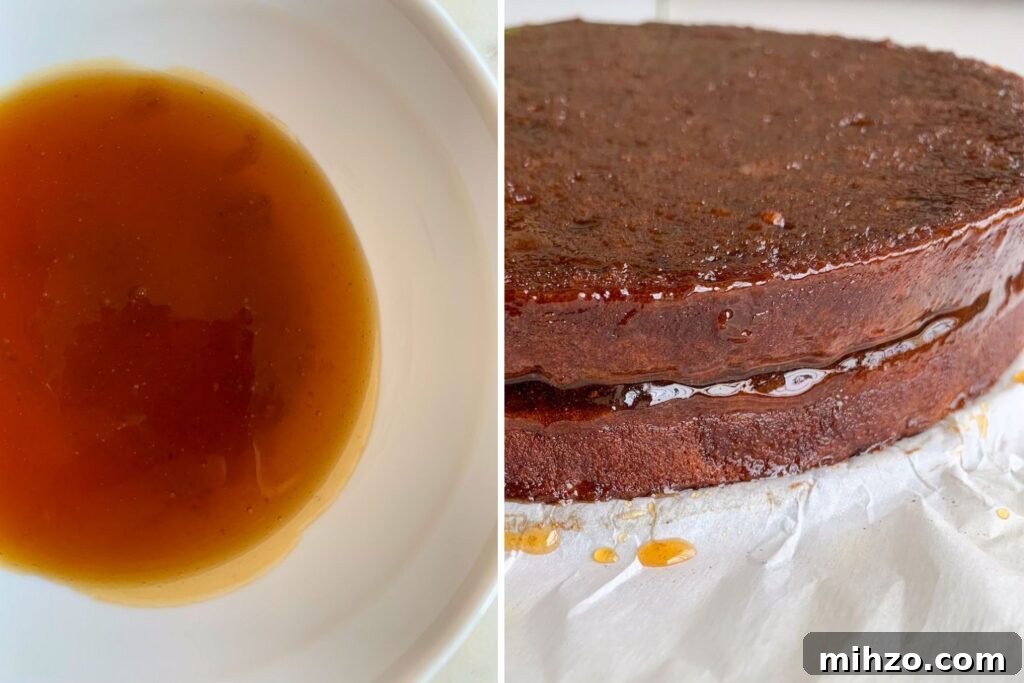
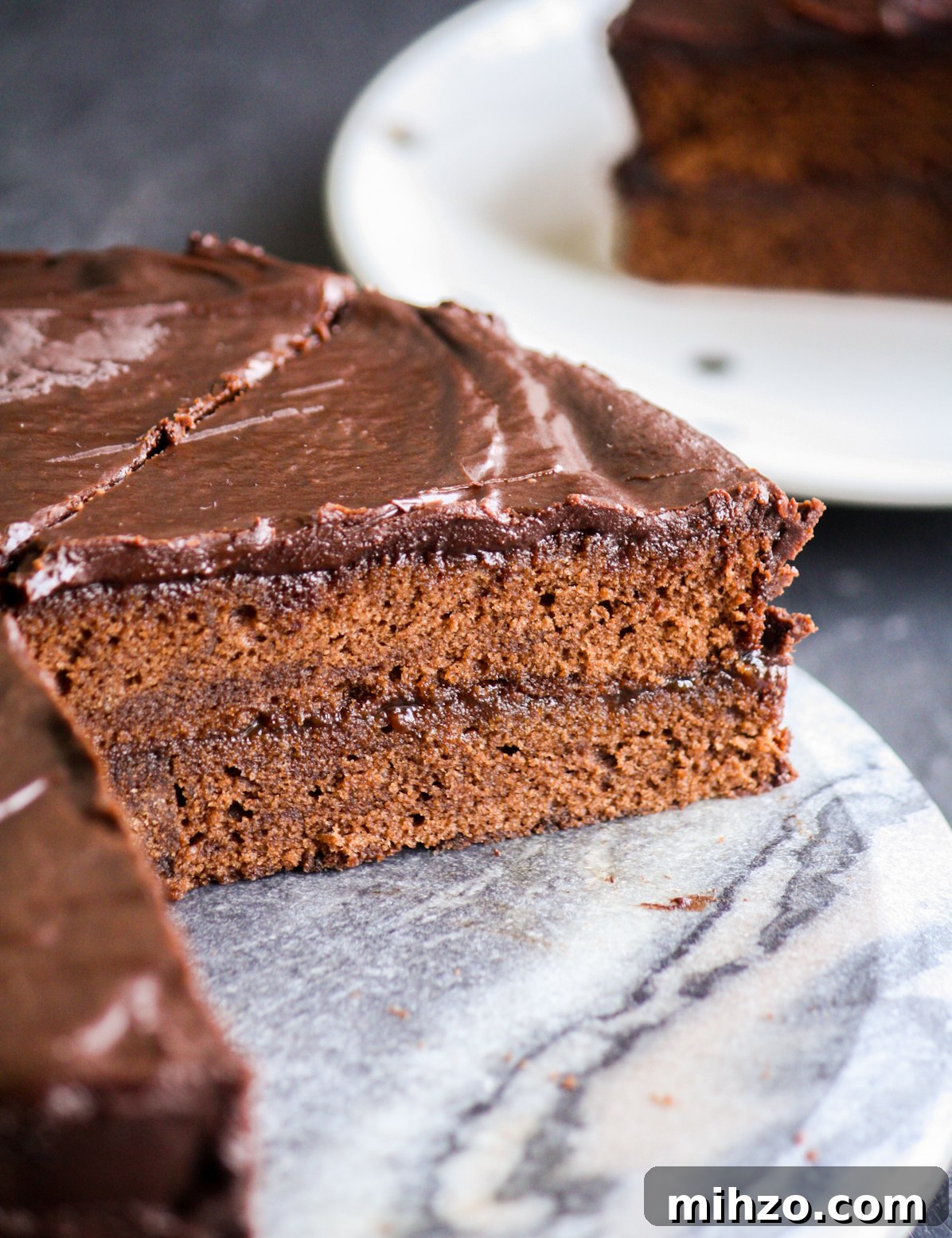
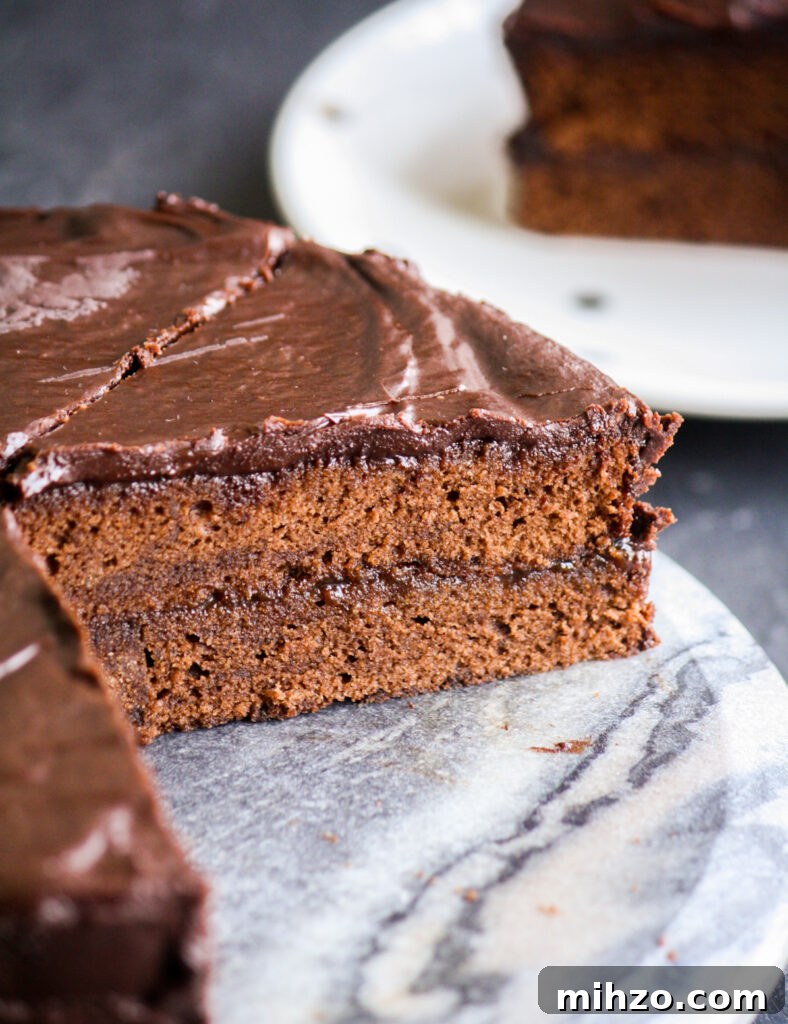
For a more pronounced apricot presence I spread a generous jam layer between the cake halves and used melted jam to coat the top and sides before glazing. This made the fruit layer visible in each slice. Some recipes use only melted jam for both filling and coating; I used a mix of melted and thicker jam because I liked the texture and flavor balance.
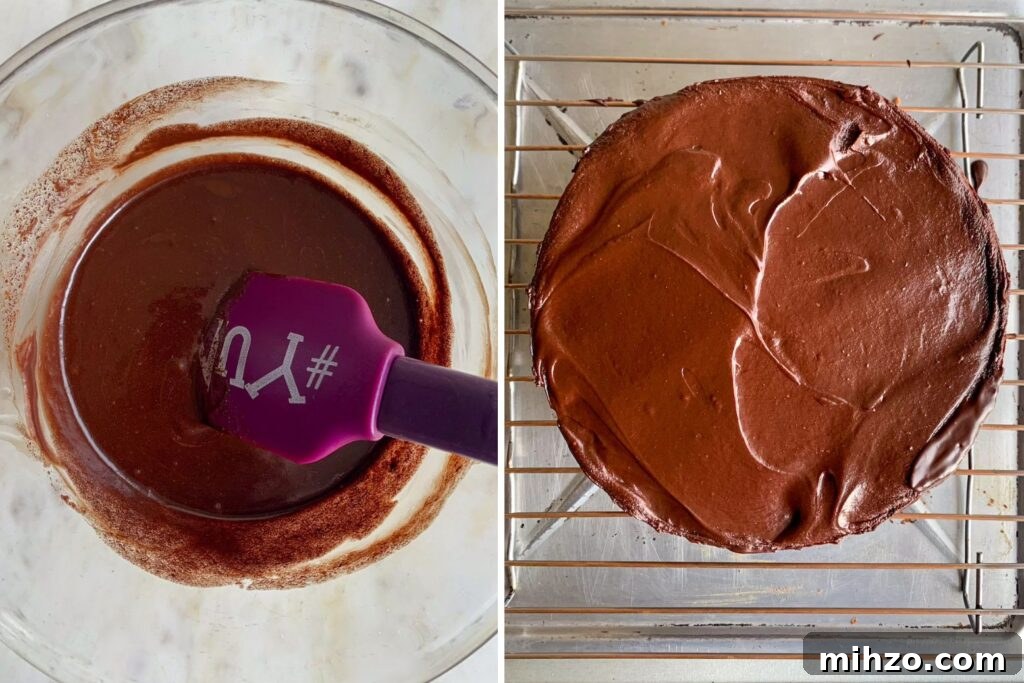
About the chocolate glaze: many modern recipes use a simple chocolate-butter glaze or ganache because they’re forgiving and easy to finish smoothly. The traditional Sacher glaze is a hot sugar syrup into which finely chopped chocolate is stirred; it sets very quickly and forms a crackly surface. It’s more demanding to work with, but gives the cake a distinctive crisp sheen. Because this glaze can be very sweet, I used unsweetened or very bitter chocolate to keep the final flavor balanced.
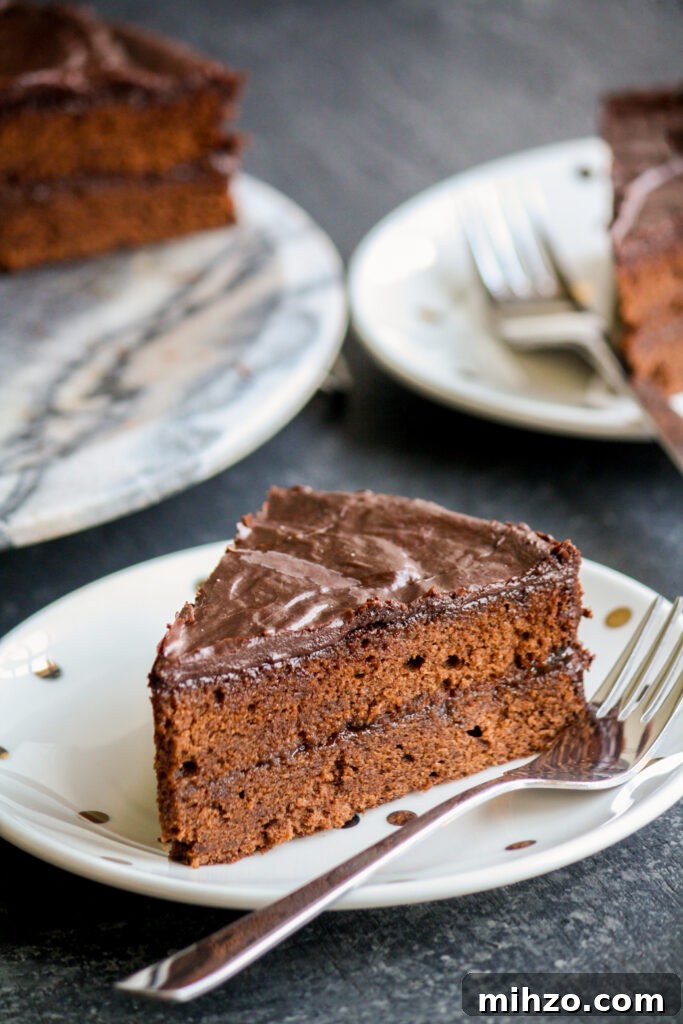
The sponge itself is a classic chocolate sponge made by separating eggs, whipping the whites to stiff peaks, and gently folding them into a chocolate and yolk mixture. The batter includes melted chocolate, which makes the cake denser and slightly firmer than a plain sponge, but it remains soft and becomes moister once it has absorbed the apricot jam. Traditionally, Sacher Torte is served with whipped cream; for my homemade version I found it rich enough on its own, though a dollop of cream suits a café-served slice, which tends to be cooler and firmer.
Plan to set aside most of a day for this cake. After baking you need to cool the cake, apply and dry the jam coating, then pour the warm chocolate glaze and let it set. The waiting is part of the process, and the final cake — while not identical to the original served in Vienna — was very similar and delicious. If you enjoy working with cakes and their techniques, this one is worth the effort.
Please read the recipe notes before beginning.
Sacher Torte
Ingredients
For the sponge
- 85 gms dark chocolate (55%), finely chopped
- 1/2 cup caster sugar (95 gms)
- 6 tbsps butter (85 gms), at room temperature
- 1 and 1/2 tsps vanilla extract
- 4 eggs, at room temperature (integral to the recipe, no substitutes suggested)
- 1/2 cup cake flour, sifted (60 gms; see notes)
- 1/4 tsp salt if using unsalted butter
For the jam layer
- 170 gms apricot jam (divided: 1/3 cup (110 g) melted & 1/4 cup (65 g) thick; see notes)
- 2 tbsps dark rum, optional but recommended
For the chocolate glaze
- 1/2 cup caster sugar (95 gms)
- 1/4 cup water (60 ml)
- 75 gms bitter chocolate (at least 90% dark), finely chopped
Instructions
- Preheat the oven to 175 C. Grease an 8-inch springform tin and set aside.
- Make the sponge cake. Melt the chocolate in short bursts in the microwave or over a double boiler until smooth. Let it cool slightly.
- Beat the butter with half the sugar (1/4 cup) until pale and creamy. Add vanilla and mix to combine.
- Separate the eggs, keeping yolks and whites in separate bowls. Ensure no yolk gets into the whites.
- Beat the yolks into the butter mixture one at a time, then add the cooled melted chocolate and mix until smooth.
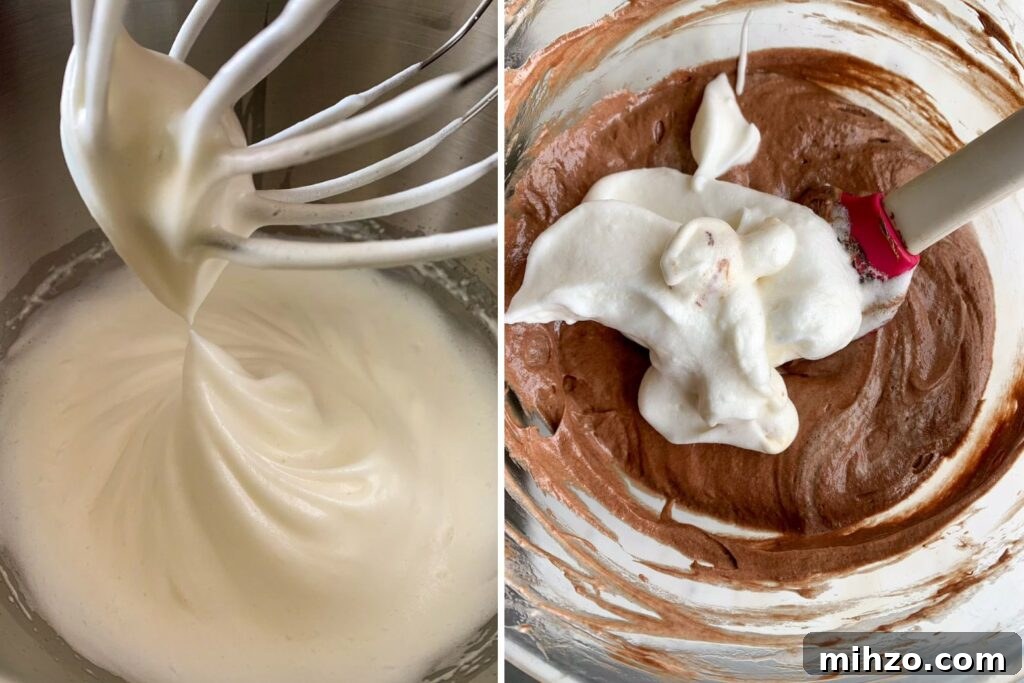
- Whip the egg whites until foamy, add the remaining sugar and continue whisking on high until stiff peaks form.
- Fold the whipped whites into the chocolate mixture in three additions, using a gentle folding motion to retain air.
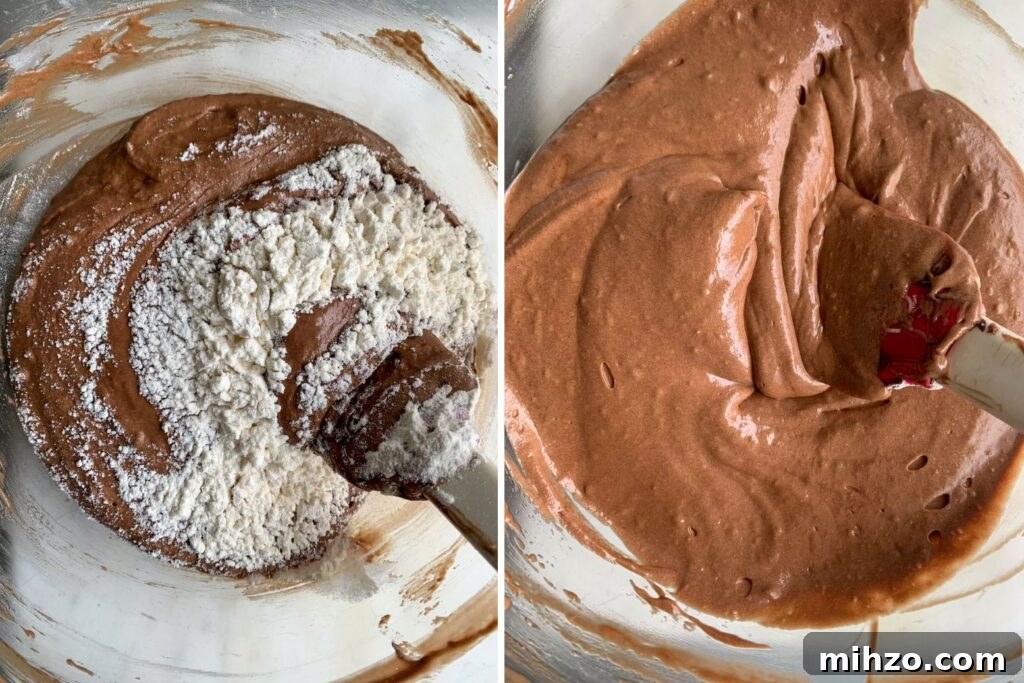
- Sift and fold the flour into the batter in two additions, combining gently until no streaks remain.
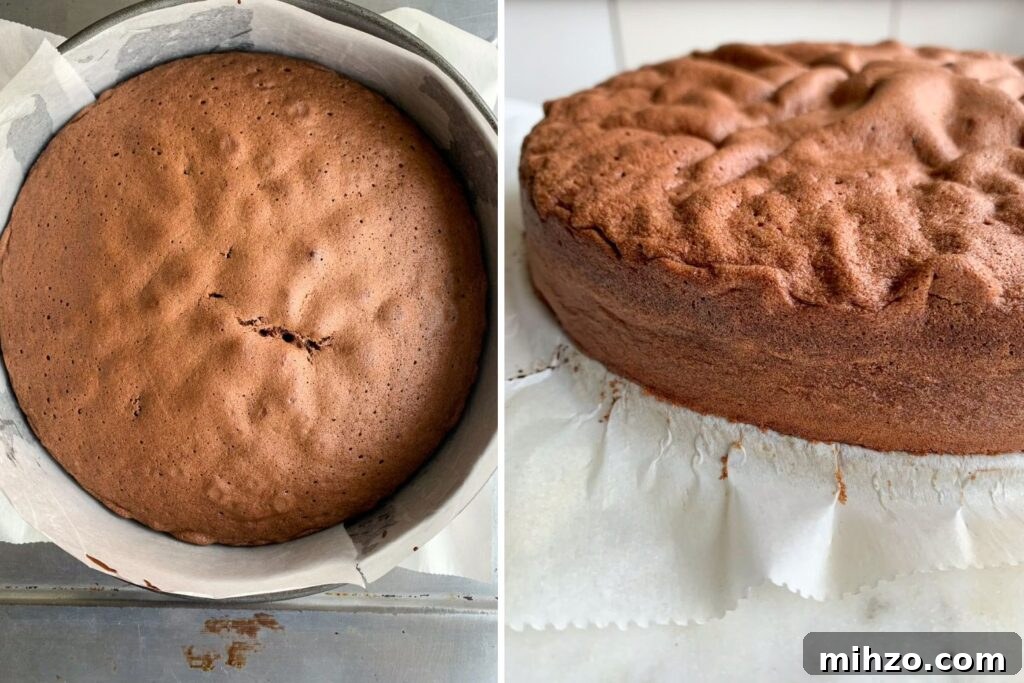
- Transfer batter to the prepared pan, smooth the top and bake for 30–35 minutes or until a skewer comes out clean. Cool 30 minutes in the pan, then remove sides and cool completely.
- Make the jam layer. Heat 1/3 cup apricot jam with rum over low heat until smooth, then sieve. Slice the cooled cake horizontally, brush 1 tbsp melted jam on the lower half, then spread the thicker 1/4 cup jam over it. Replace the top half, press gently and spread the remaining melted jam thinly over the outside. Allow to dry at room temperature for about 2 hours until the jam feels dry to the touch.
- Place the cake on a wire rack with a tray underneath to catch excess glaze.
- Make the chocolate glaze. Boil sugar and water for 4–5 minutes to make a syrup, then pour into a heatproof bowl and let cool briefly until warm but not boiling. Add the chopped bitter chocolate gradually, stirring gently until melted and glossy. If needed, add a spoonful of hot water to adjust consistency.
- Pour the glaze over the cake in a circular motion and quickly smooth it with a long spatula over the top and sides. Work fast: this glaze sets quickly and develops a crackly surface.
- Let the cake rest at room temperature until the glaze sets, about 2 hours. Slice into 8 pieces and serve; the torte often tastes better the next day.
- Store the cake at room temperature in an airtight container for 3–4 days, or refrigerate in humid weather for up to a week. If refrigerated, allow slices to soften slightly before serving.
Notes
*Use a high-fruit apricot jam with less added sugar for the best flavour and balance with the chocolate glaze. Jam weights may vary by brand; adjust as needed.
*For the glaze, choose very bitter or unsweetened chocolate so the syrup doesn’t make the coating overly sweet. A mix of unsweetened and 75–90% dark chocolate works well; avoid chocolate under 75% cocoa.
*Prep time excludes cooling and setting time.
*This recipe adapts elements from several sources and reduces quantities for an 8-inch cake. The traditional Sacher glaze is finicky but delivers a unique texture and look.
Shop this recipe!