Hey everyone! I’m excited to share my recap from a visit to Sabra’s hummus headquarters in Richmond on Wednesday. I spent the day learning about their products, meeting the team, and getting a behind-the-scenes look at how they approach ingredients, sustainability, and community work.
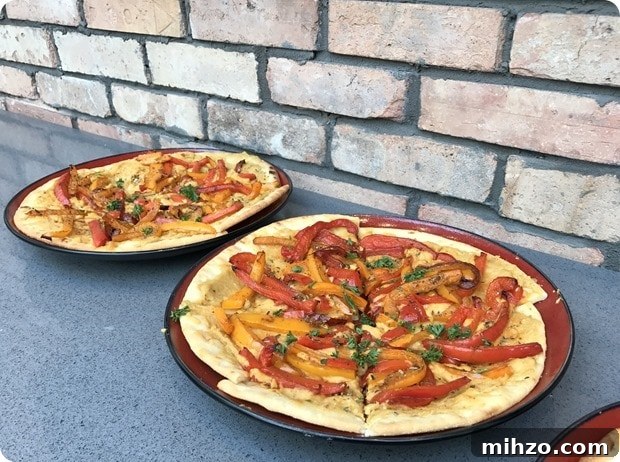
First, thank you to Sabra for hosting me, covering my expenses, and sponsoring this post. Quick tip from the day: hummus pizza is amazing—swap the sauce and cheese for hummus for a flavorful twist.
We arrived early and dove into presentations and hands-on activities. It was great to hear from Sabra’s CEO at the start of the day—she kicked things off before ingredient and product experts walked us through their processes.

Some interesting facts I learned:
- Sabra is one of the largest domestic buyers of chickpeas in North America.
- They rely on a single chickpea variety grown in Idaho and Oregon to maintain consistent flavor and texture.
- Chickpeas are harvested in August and September.
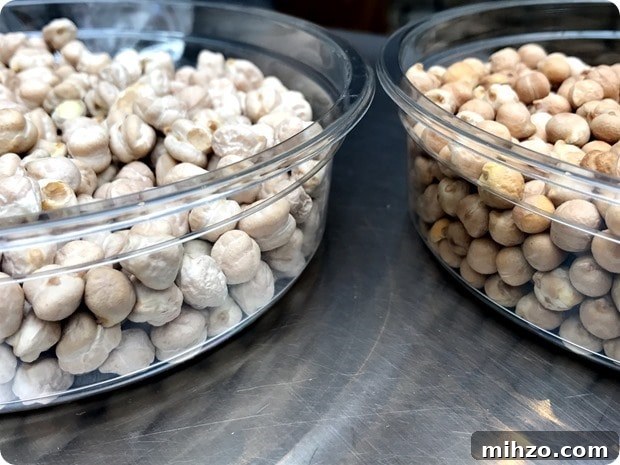
- Chickpea varieties differ in appearance and quality, so consistency in sourcing is crucial for predictable hummus results.
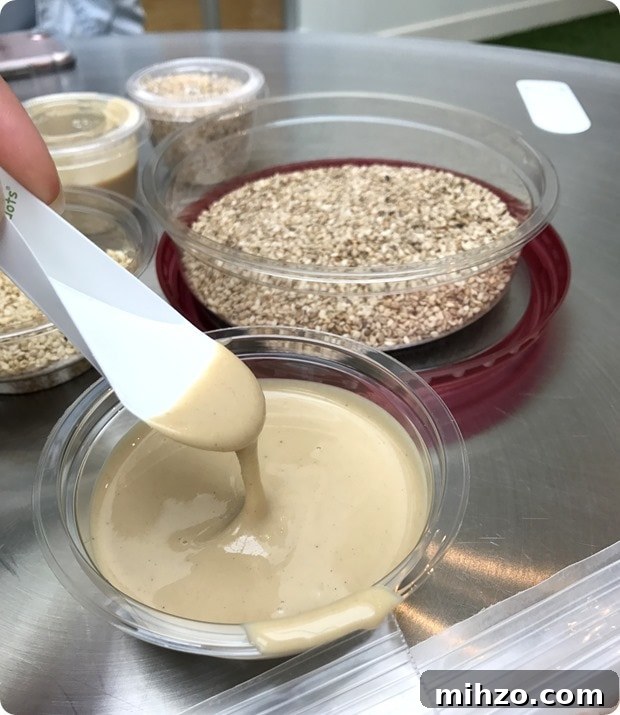
We also did a tahini tasting. Tahini is made from toasted, hulled sesame seeds, and like wine, different tahinis can have very different flavor profiles. Some batches tasted bitter due to improper roasting or residual stems and debris in the seeds, while others were smooth and creamy—the variety Sabra uses falls into the latter category.
Sabra also highlighted their Plants with Purpose program, a longer-term effort to address food deserts and improve access to fresh produce. Richmond ranks high among cities with limited access to fresh food, so Sabra is beginning local initiatives and partnering with community organizations to make an impact.
They’ve teamed up with Renew Richmond, an urban agriculture nonprofit, to create an employee work-share organic garden on Sabra’s campus and a separate garden at a local high school. The high school garden allows students to take produce home, and excess produce from the company garden is donated to community members in need.
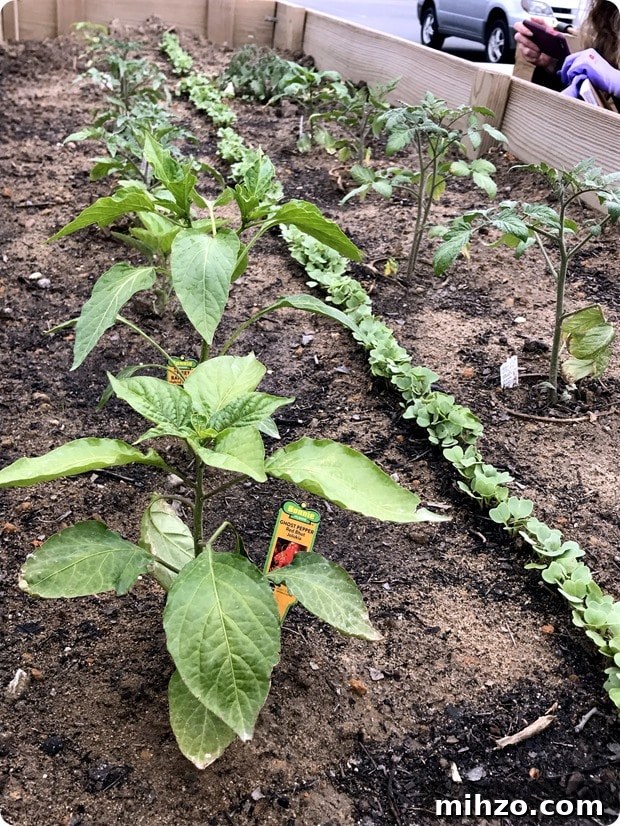
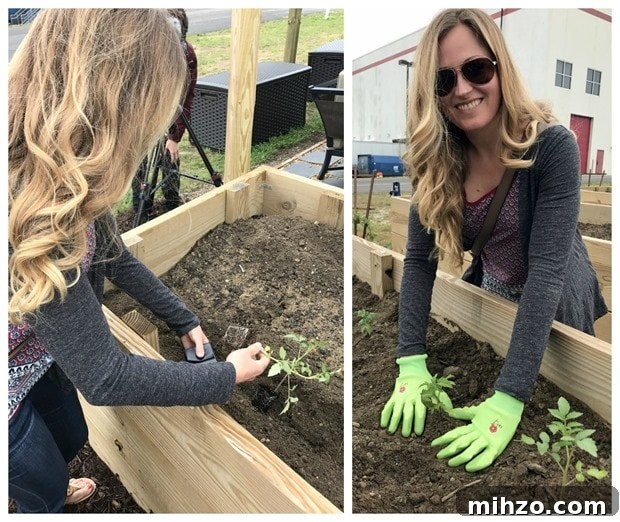
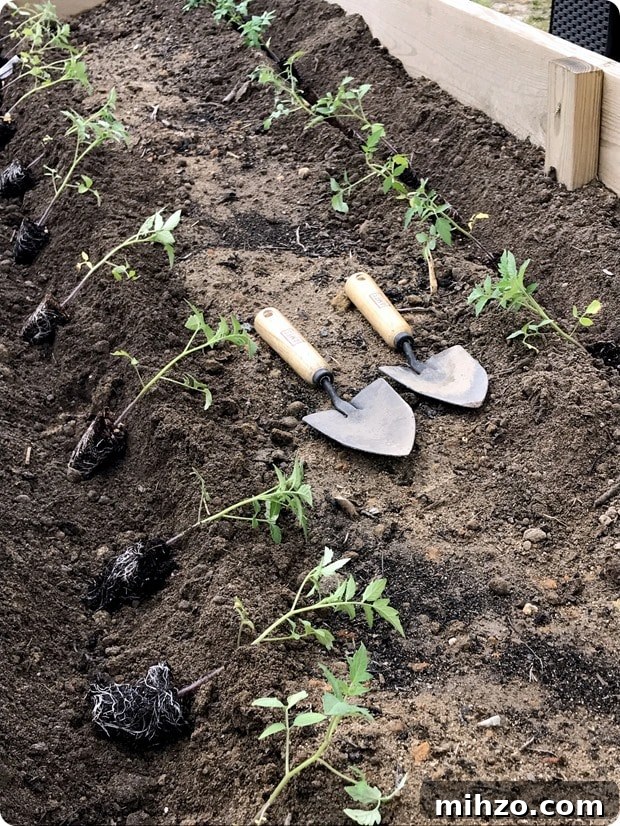
We toured the on-site garden and helped plant tomatoes. There’s a core volunteer group that maintains the gardens, and Sabra hosts company-wide “days of service.” For Earth Day, employees help build a greenhouse so they can grow year-round. Employees are also encouraged to volunteer during work hours, which is a thoughtful perk.
Another nice initiative is a cookbook Sabra is compiling that features hourly employees’ favorite family vegetable recipes—an excellent way to celebrate the team and share cultural traditions.
After gardening, we refueled with fresh organic juice from a local juicery called The Pit and the Peel—delicious, especially the green juice.
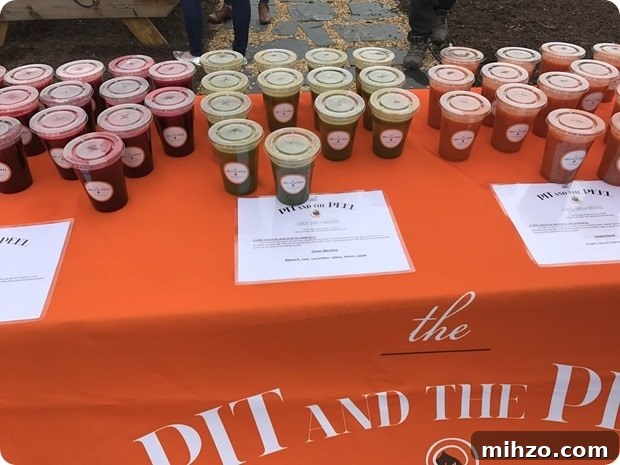
Here I am enjoying juice with some fellow bloggers: Alyssa, Liz, Brittany, and Lauren. It was great to reconnect with friends and meet new people on the visit.

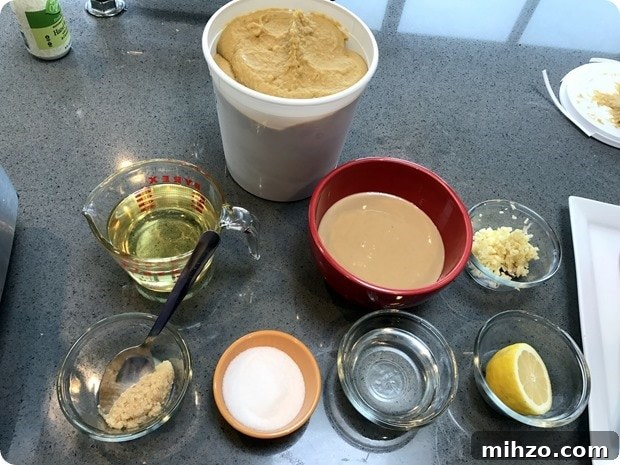
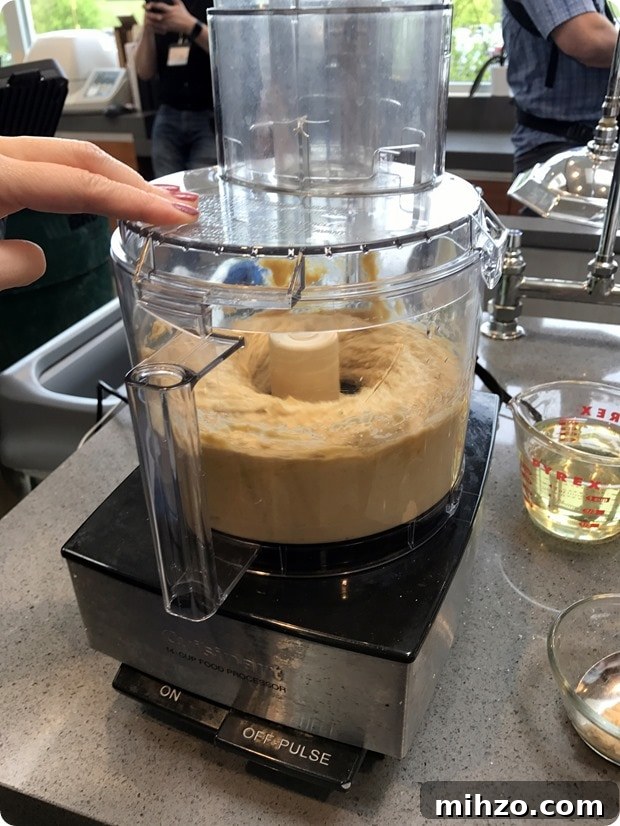
Back inside, we were challenged to create a commercially viable hummus. Groups received pureed chickpeas, garlic, lemon, oil, tahini, salt, and citric acid and had to craft a recipe without measuring cups—totally winging it, which I enjoy.
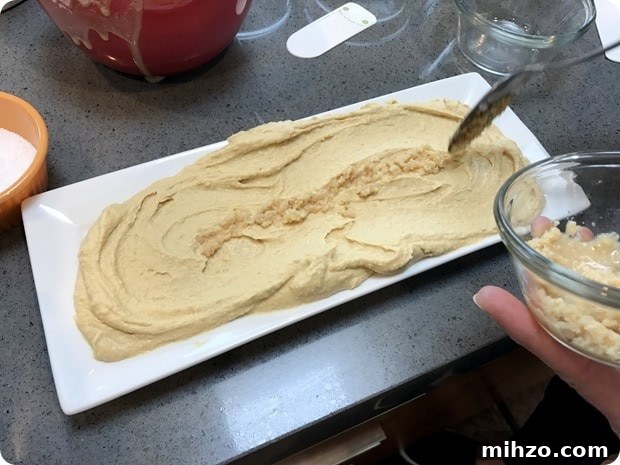
We plated our hummus with a touch of minced garlic for presentation. Our chef praised it for flavor, but explained that for commercial safety the hummus pH must be below 4.6 so it won’t spoil quickly. She estimated ours was about 5.2—so we missed the mark on acidity. Another tip: more blending lightens hummus color; because we didn’t process ours extensively, it looked a bit darker.
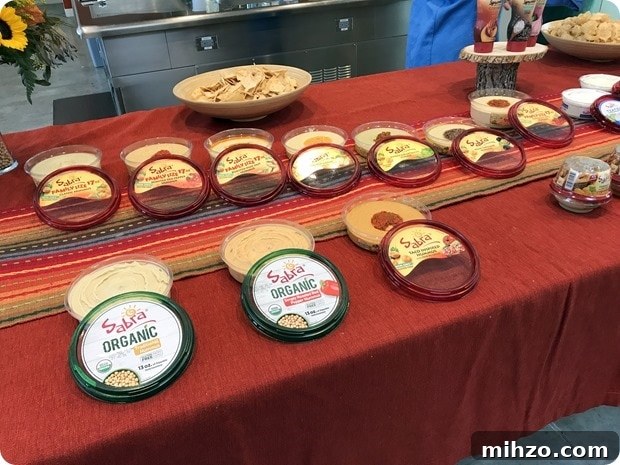
We did product sampling too—no complaints here. I’ve tried many Sabra varieties, and hummus remains a favorite meal component. Their guacamole is also delicious. An insider note: the lemon flavor may be returning by popular demand, and I’m hoping their organic hummus becomes more widely available beyond select stores.
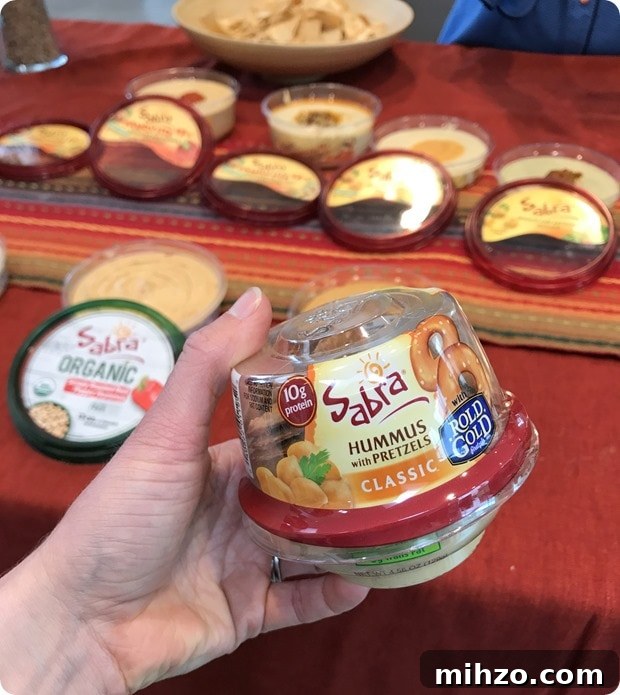
Personal favorite: hummus + pretzel cups—super convenient and satisfying. I got hooked on them during my dietetic internship and still love them.
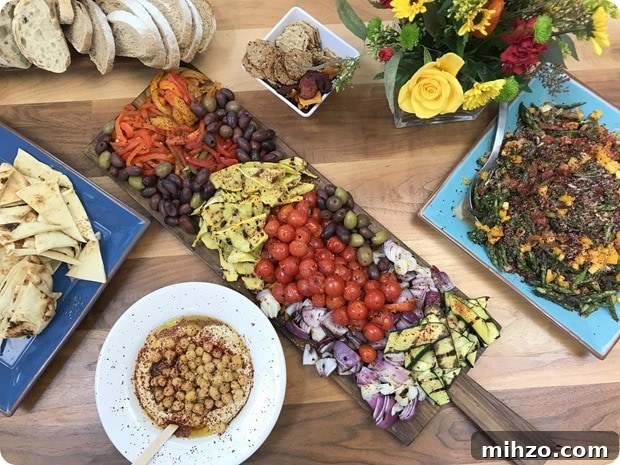
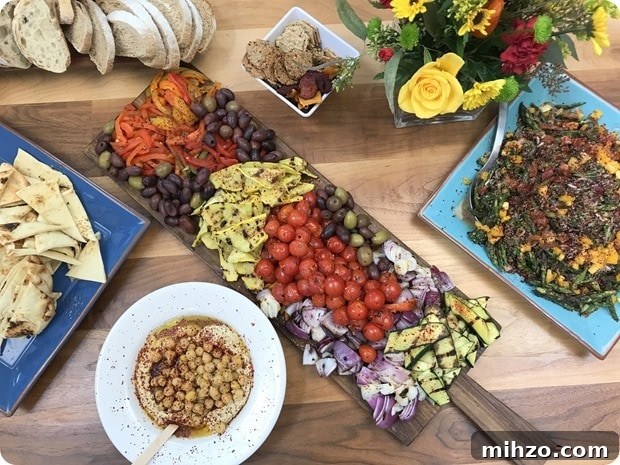
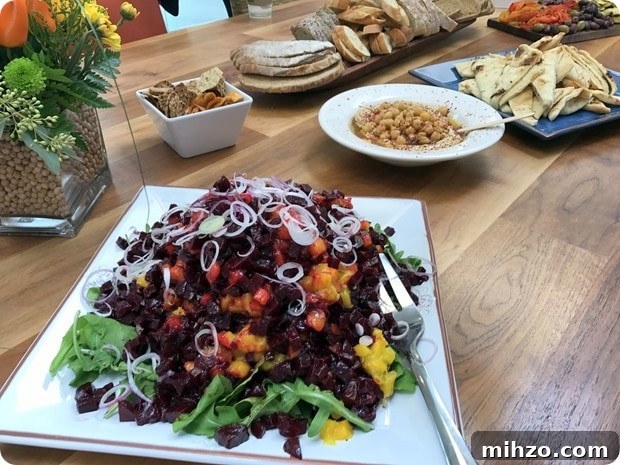
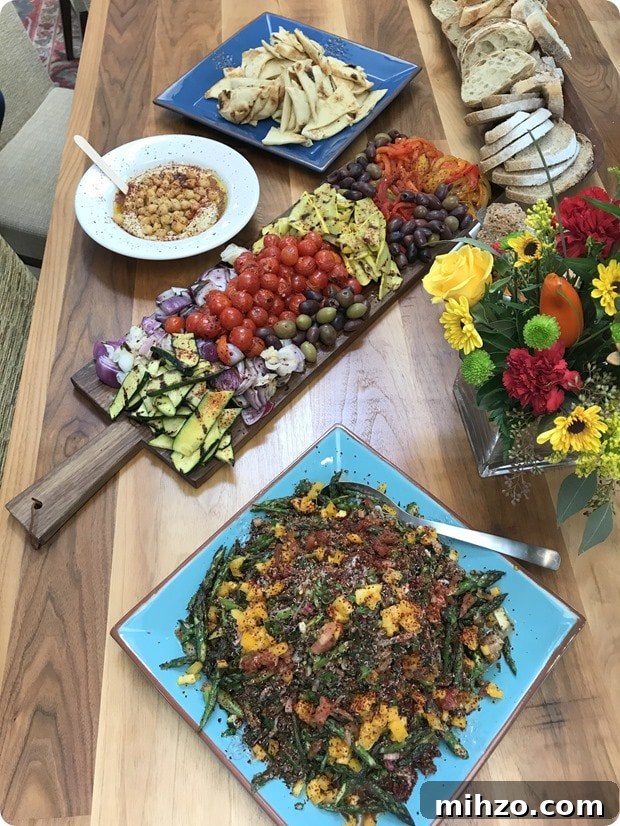
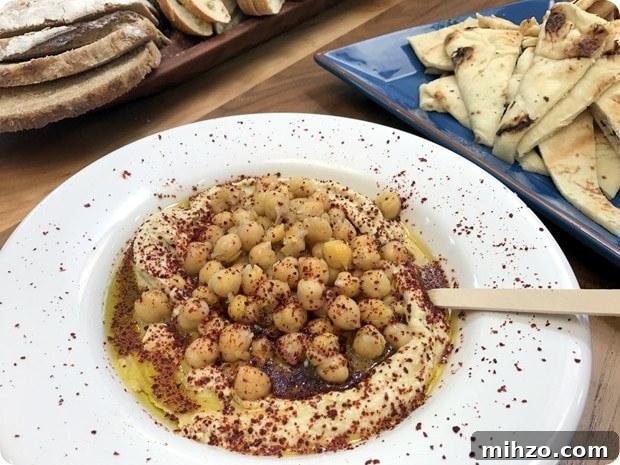
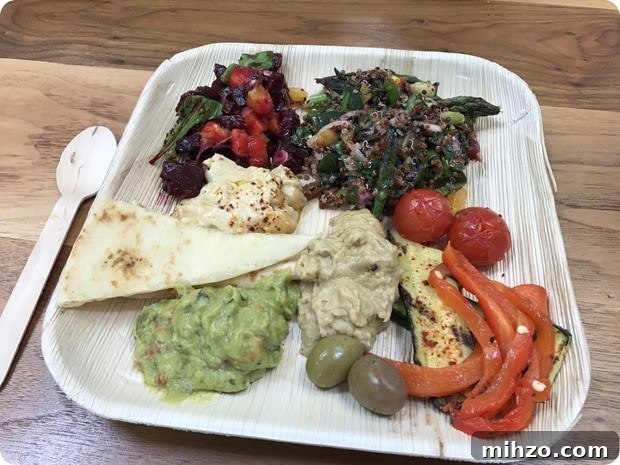
Lunch at Sabra HQ was vibrant and fresh—lots of colorful vegetables and thoughtful presentation. To dress store-bought hummus so it looks homemade, transfer it to a bowl, top with warm whole chickpeas, drizzle olive oil, and finish with a sprinkle of paprika or red pepper.
To wrap up, we heard about the nutritional benefits of hummus—regularly adding a couple tablespoons of hummus to your diet can boost weekly fiber intake thanks to the beans, while also providing plant protein and iron.
Finally, Sabra offered a giveaway for readers to win a case of hummus and a gift card for dippers and toppings. I’ll also be sharing a new hummus recipe for National Hummus Day, so stay tuned for that.
Here are some favorite hummus-packed recipes and ideas I’ve shared over the years:
- Creamy Mexican Chicken Chili Soup (hummus adds creaminess)
- Spicy Hummus Queso Dip (great for parties)
- Creamy Hummus Mexican Brown Rice Casserole (surprisingly good)
- Smoked Salmon and Hummus Sandwich
- 4-Ingredient Quinoa Salad (easy dinner or lunch)
- Use hummus as a creamy salad dressing by mixing it with lemon juice and a splash of oil.
- Swap hummus for mayo in tuna, chicken, or egg salad, or use it as a sandwich spread.
- Coat fish or chicken in hummus, roll in breadcrumbs, and bake for juicy results.