Buying a ready-made cleaner while you do the weekly shop is convenient, but the advantages largely stop there. Making your own household products is quick, affordable and often healthier — and it’s simpler than you might think.
Whether you’ve never mixed your own cleaners or you already make them and want friends or family to understand why, here are seven solid reasons to start (or keep) making your own household products.
7 GOOD REASONS TO MAKE YOUR OWN HOUSEHOLD PRODUCTS
1. Save money
Commercial cleaners often contain mostly water, sometimes 80–90%, plus added chemicals and branding. That makes store-bought bottles surprisingly expensive for what they are. Homemade cleaners, made from basic ingredients such as vinegar, bicarb soda and a few drops of essential oil, cost only pennies per 100ml. Even air fresheners made with inexpensive essential oils can be far cheaper than their supermarket equivalents.
2. Homemade products are effective
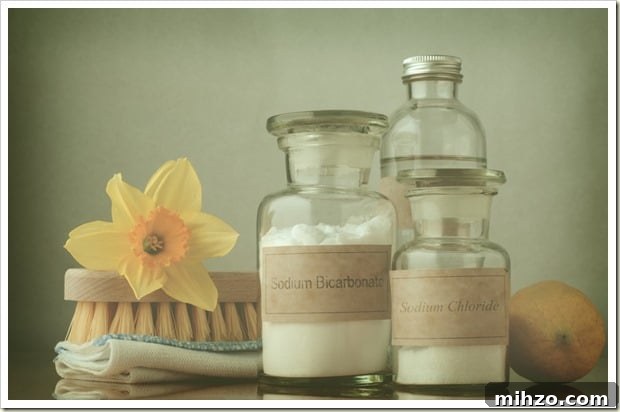
Simple ingredients clean well. Bicarb soda is a powerful stain remover and deodoriser; vinegar disinfects and dissolves grime; tea tree oil and certain essential oils offer antibacterial properties without the toxicity of some commercial antibacterial sprays. Good hygiene matters, but heavy reliance on harsh antimicrobials can be unnecessary and may contribute to health concerns. Using natural alternatives for food-contact surfaces and routine cleaning is an effective, lower-toxicity approach.
3. It’s easy
Many DIY cleaners take less than two minutes to prepare — pour vinegar into a spray bottle, add water and essential oil, shake and you’re done. If you run out, the ingredients are probably already in your pantry. Some personal-care items like homemade moisturisers or scrubs can take a bit longer, but options such as olive oil for moisturising or sugar for exfoliating are virtually effortless.
4. Reduce your family’s exposure to toxic chemicals
People encounter thousands of synthetic chemicals daily, many of which appear in household products. A large number of these chemicals have never been thoroughly tested for long-term safety or for how they interact with each other inside the body. Choosing simple, well-known natural ingredients can reduce unnecessary exposure. That said, “natural” doesn’t automatically equal safe — care and common sense are still important. Fortunately, many traditional natural cleaning ingredients have a long track record of safe and effective use.
5. Reduce the toxins entering our environment
Each spray, pour or rinse of synthetic cleaners introduces chemicals into the air, waterways and soil. Small, everyday actions by millions of people add up. Switching to DIY formulas made from biodegradable, low-toxicity ingredients reduces pollution from household cleaning and sends a market signal to manufacturers that consumers value cleaner, safer products.
6. Reduce landfill
Households use many bottles and containers each year: cleaners, detergents, air fresheners, shampoos and more. Packaging production and disposal create resource extraction, manufacturing pollution and landfill problems. Making your own products and reusing containers dramatically reduces plastic waste. Even reusing the same spray bottle for years cuts consumption and waste compared with repeatedly buying small, single-use bottles.
7. Health benefits of using essential oils
Essential oils add pleasant, natural scents and can contribute mood benefits. Citrus and lavender oils are popular for their fresh, uplifting aromas; some are considered safe in pregnancy and are traditionally used to energise or calm. Enjoying delightful scents while cleaning or hanging laundry can turn chores into a small sensory pleasure, and certain essential oils also offer mild antimicrobial properties.
Making your own household products is straightforward, economical and kinder to your home and the environment. With basic pantry ingredients and a few essential oils, you can clean effectively while reducing cost, waste and exposure to unnecessary chemicals.
Do you make your own household products? What’s your favourite benefit?